The Creation Village learning journey

Nature-Inspired

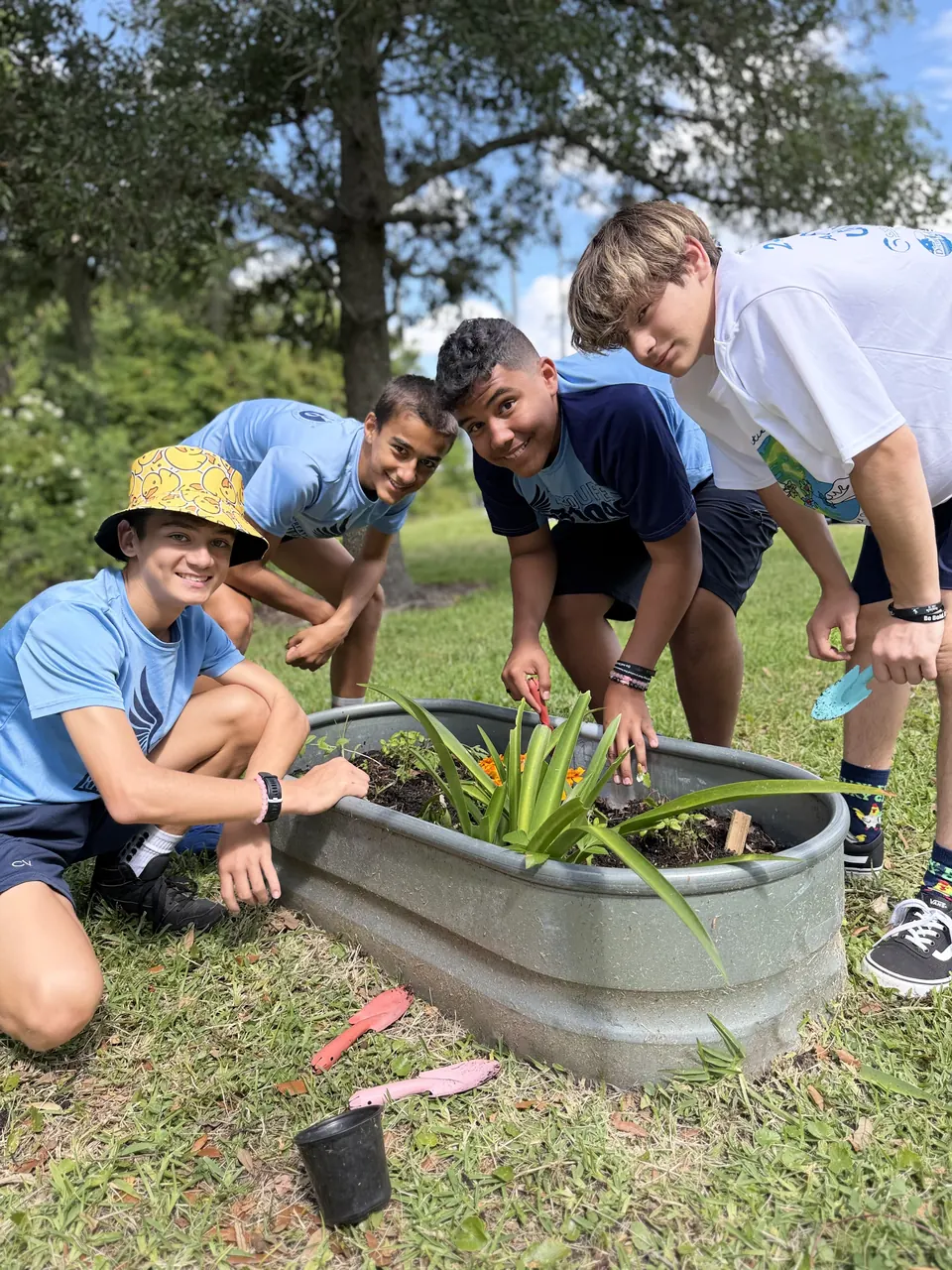
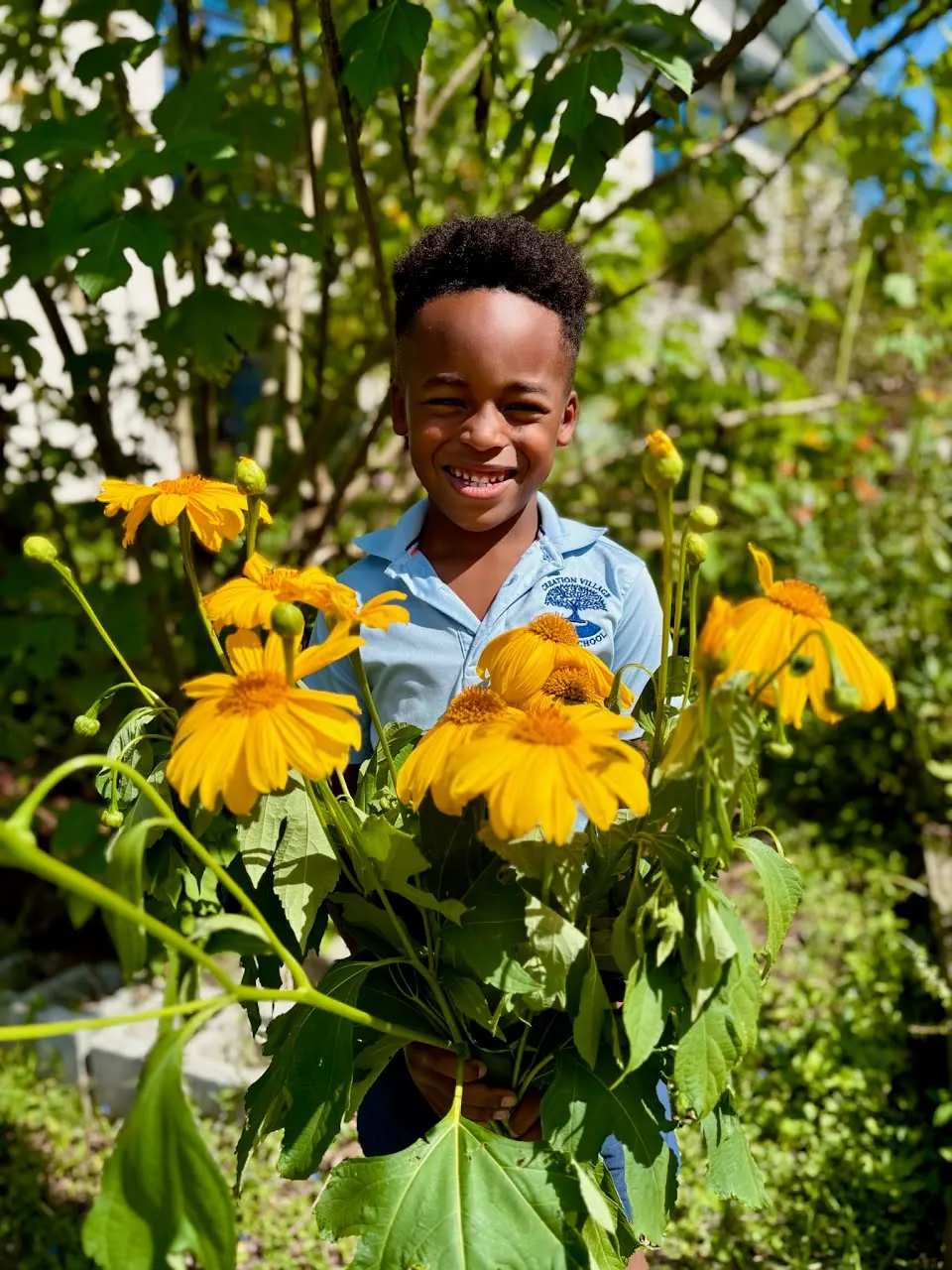
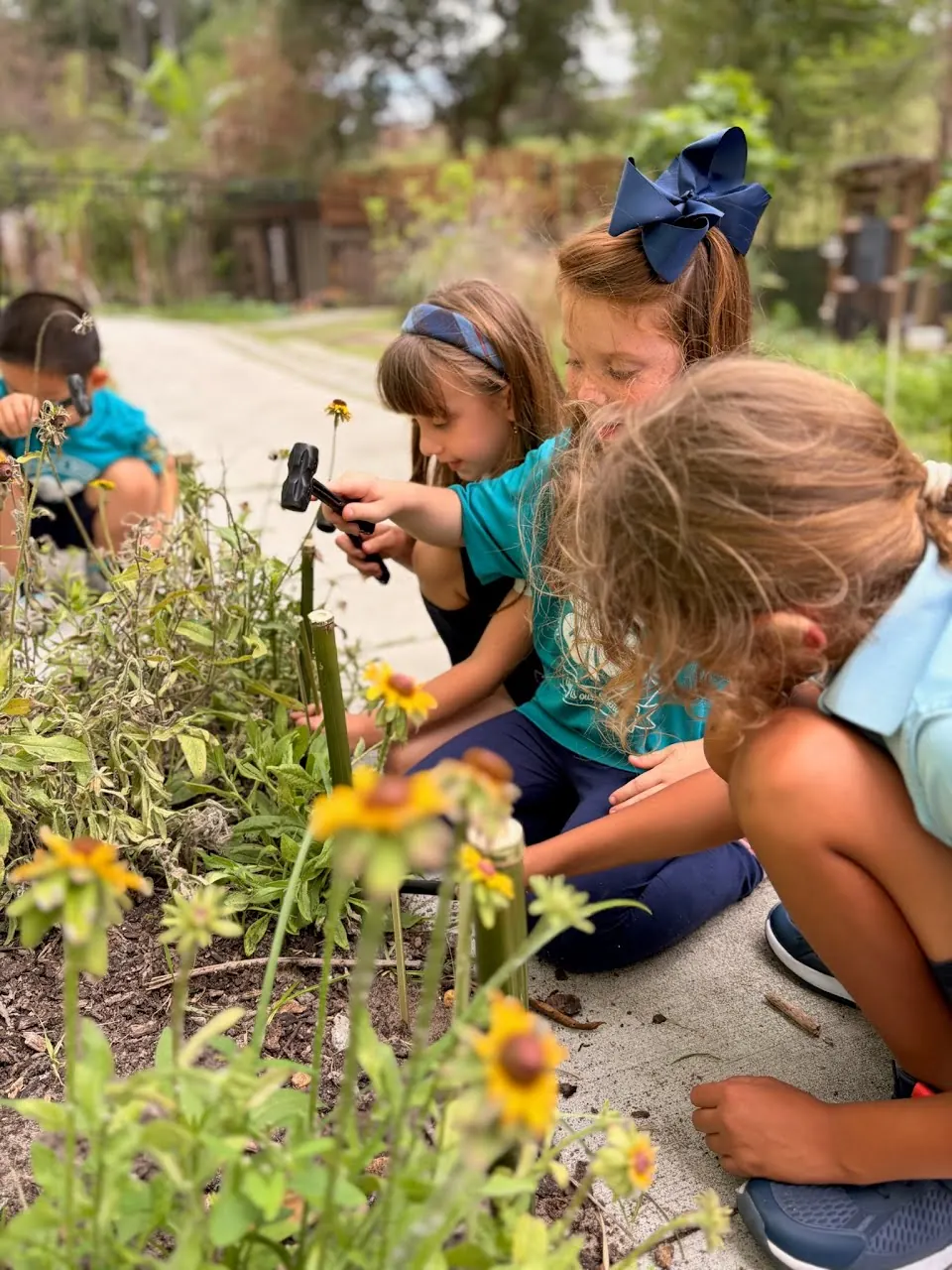
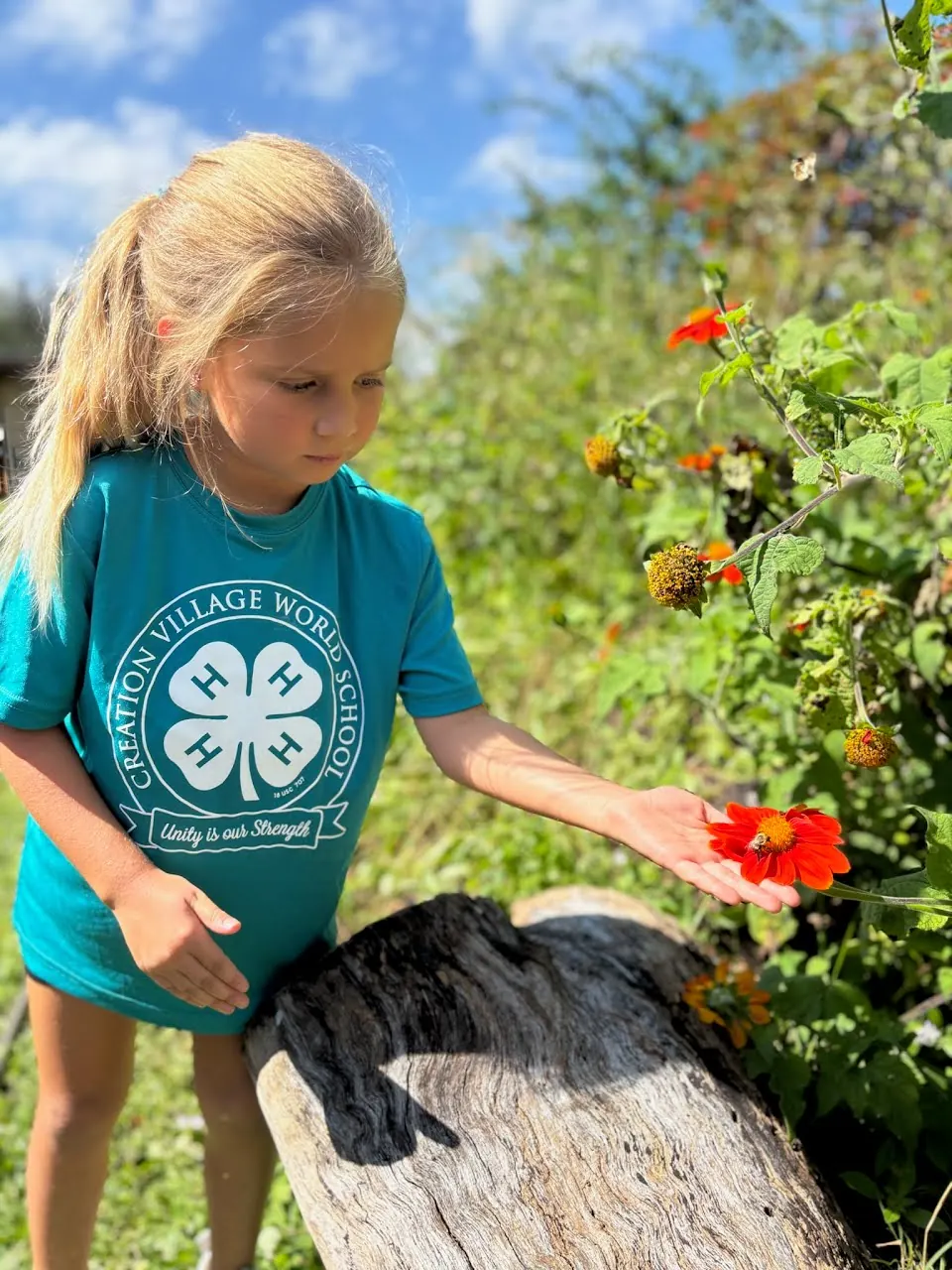
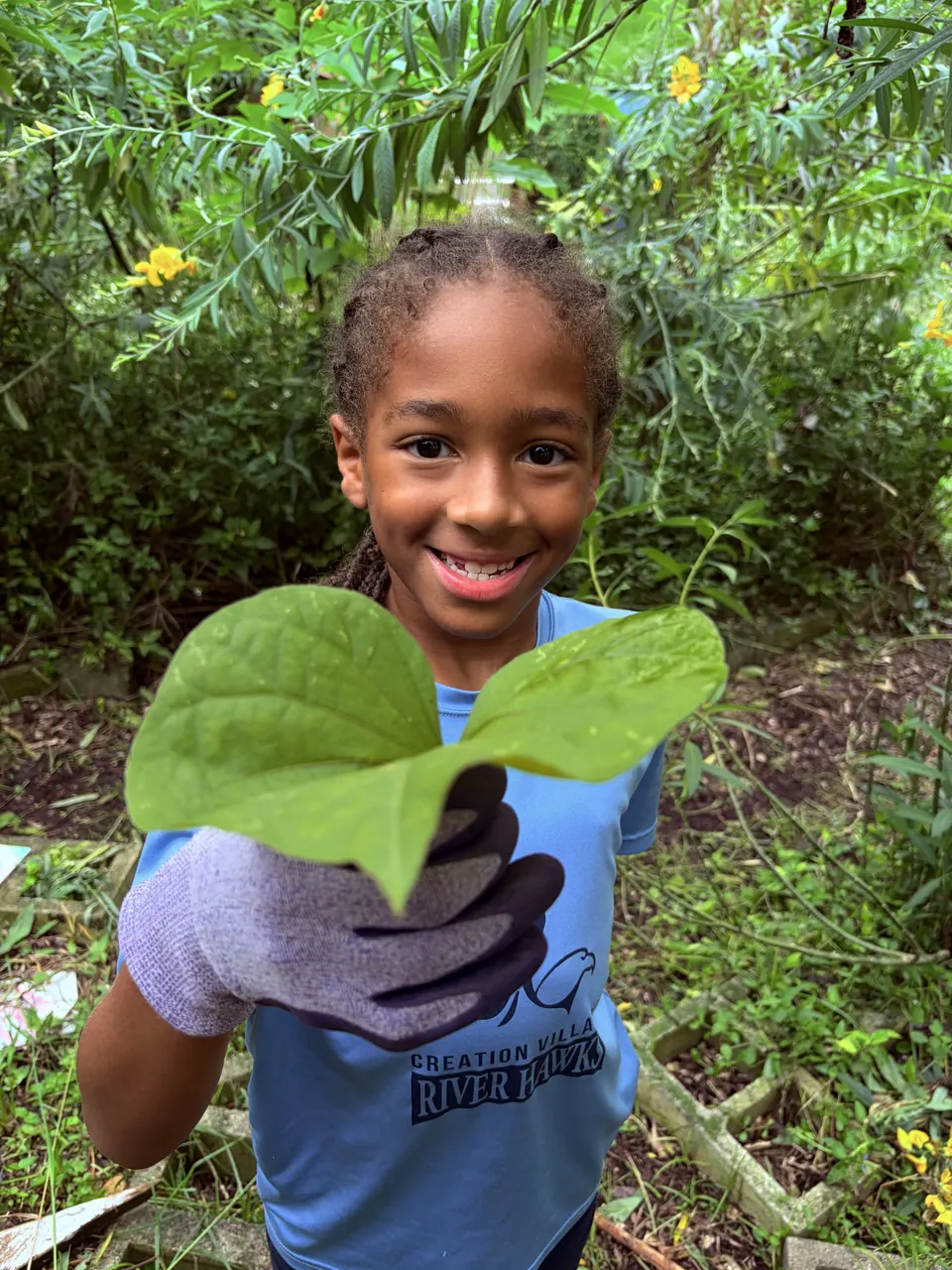
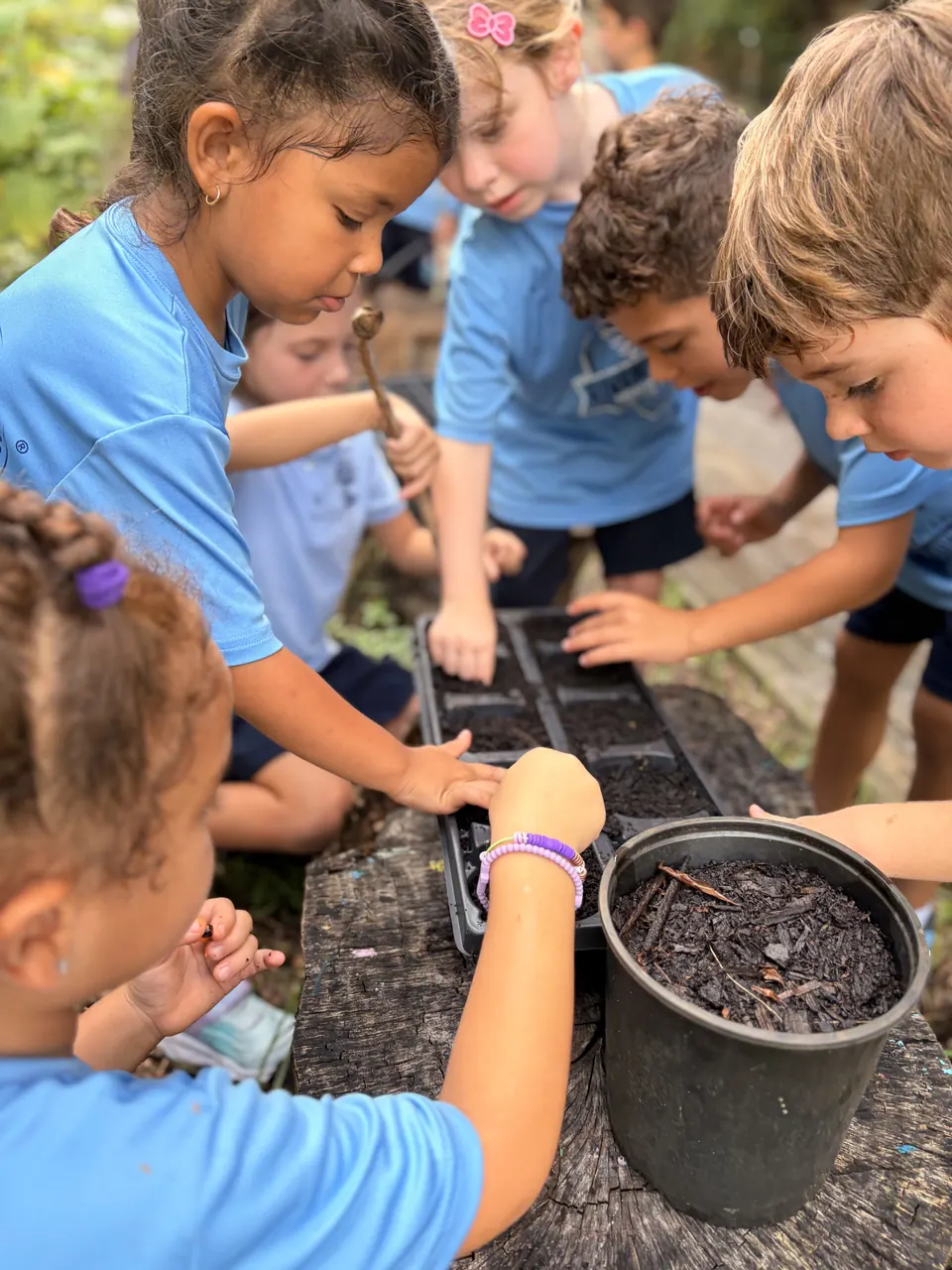
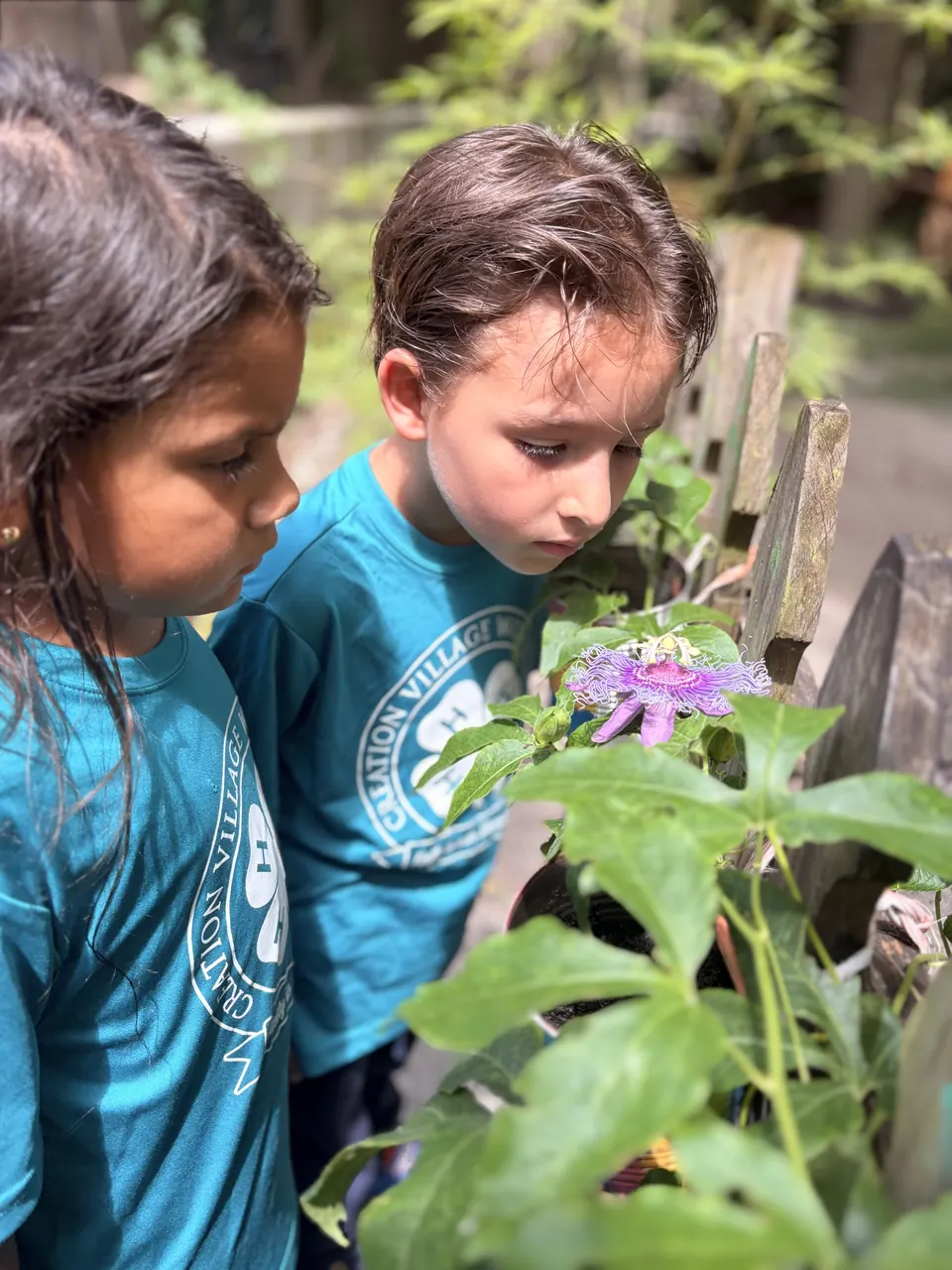
Creation belongs to its Creator. Our campus is a living classroom where students care for God's animals, grow food in our gardens and learn through 4-H from PreK3 to Grade 12.

The Lord God took the man and put him in the Garden of Eden to work it and take care of it. Genesis 2:15

37animals in student care
4jobs on every animal care team
16Eco Life electives, Grades 6 to 12
PK3–12nature and 4-H every year
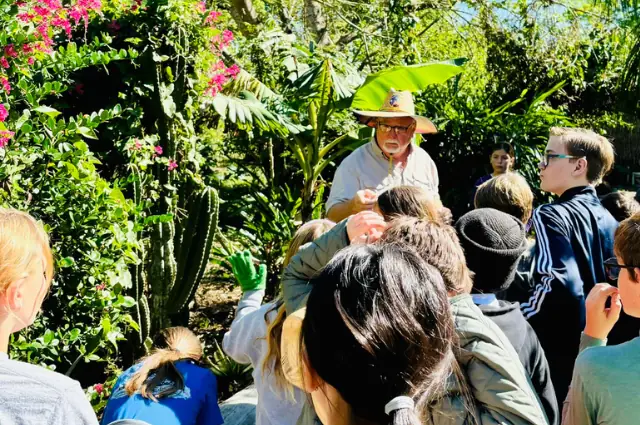
Students on a garden tour with a guide among tropical plants

A living classroom

The environment is our third teacher

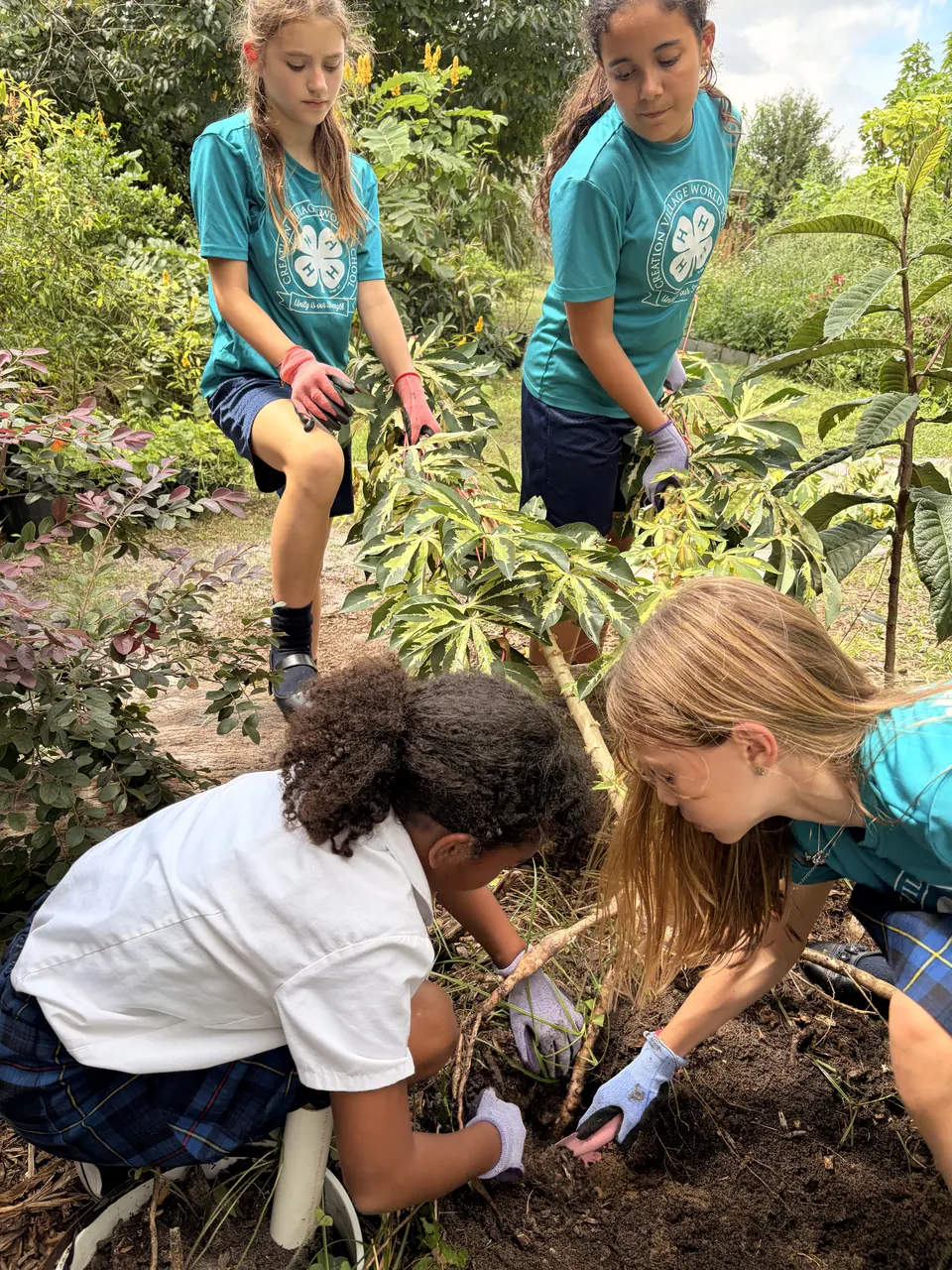
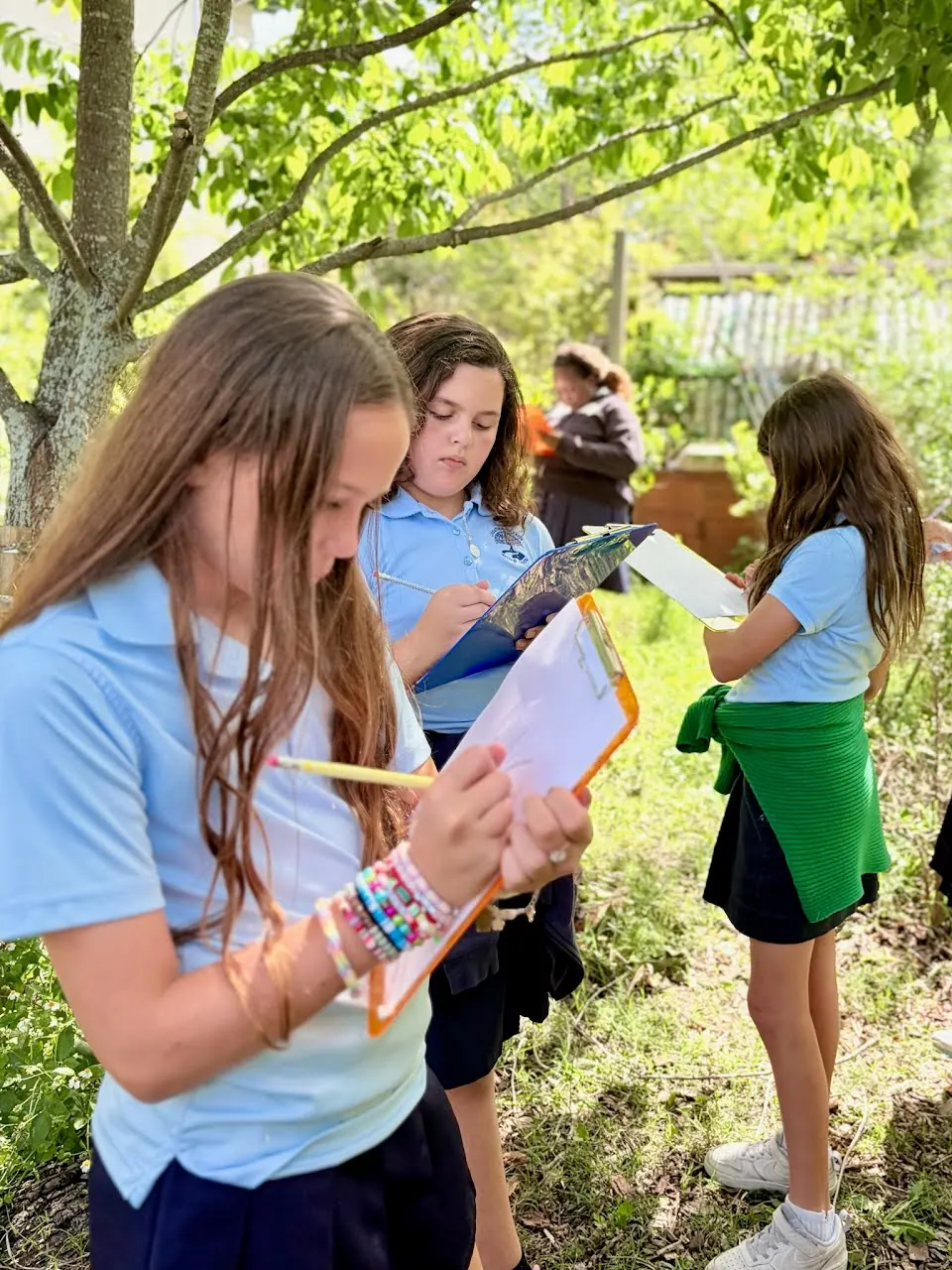
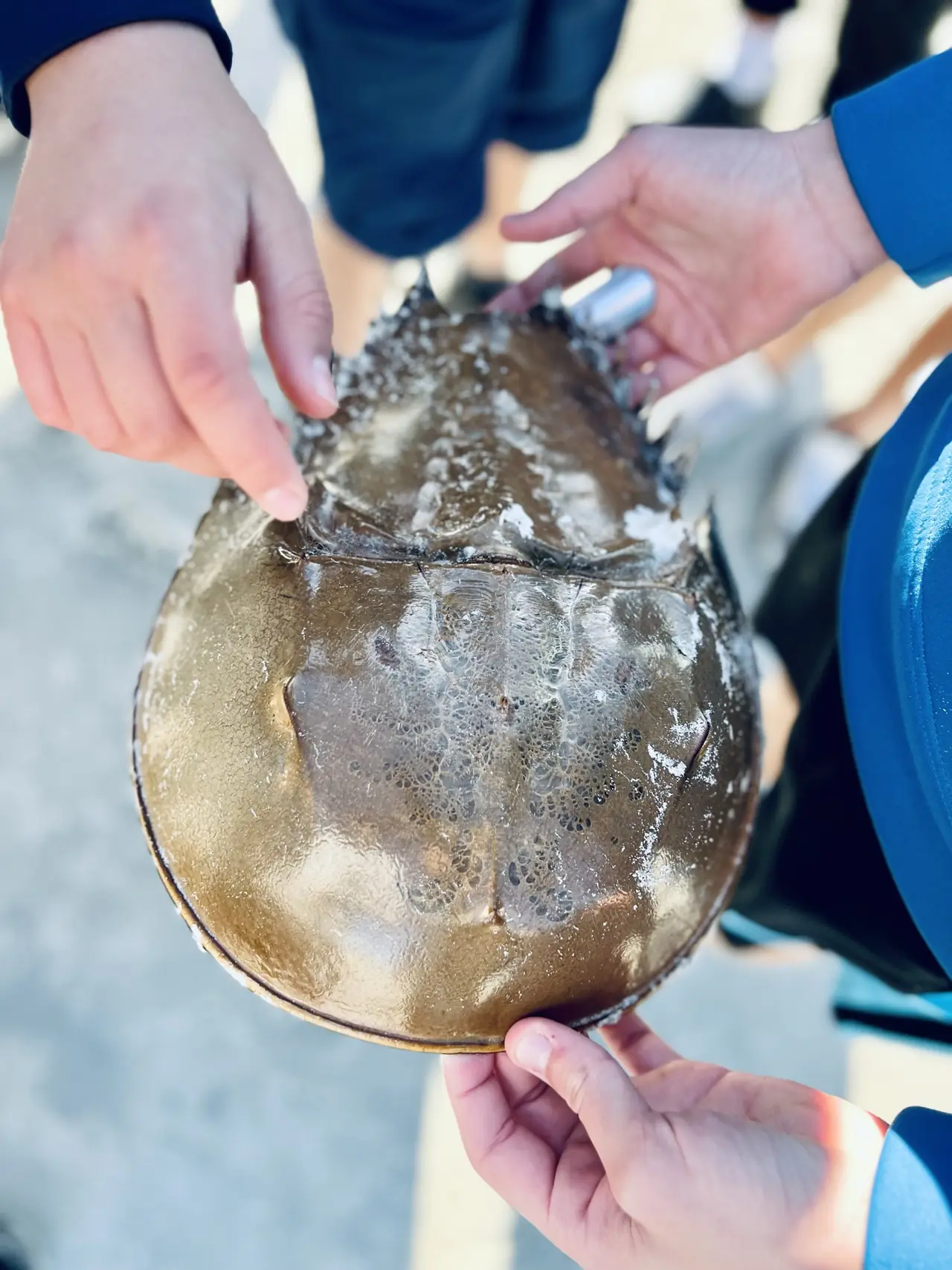
Students explore gardens, wetlands and the Florida coast, and learn to care for God's creation by spending time in it. Tending a garden or a goat is an act of worship: it honors the One who made them and entrusted them to us. Each stage has its own gardens, its own animal focus and its own 4-H goals.

Animal stewardship

Meet the animals

Every animal on campus has a name, a home and a team of students who look after it. Many are heritage breeds, rare farm animals we help preserve as a member of The Livestock Conservancy.
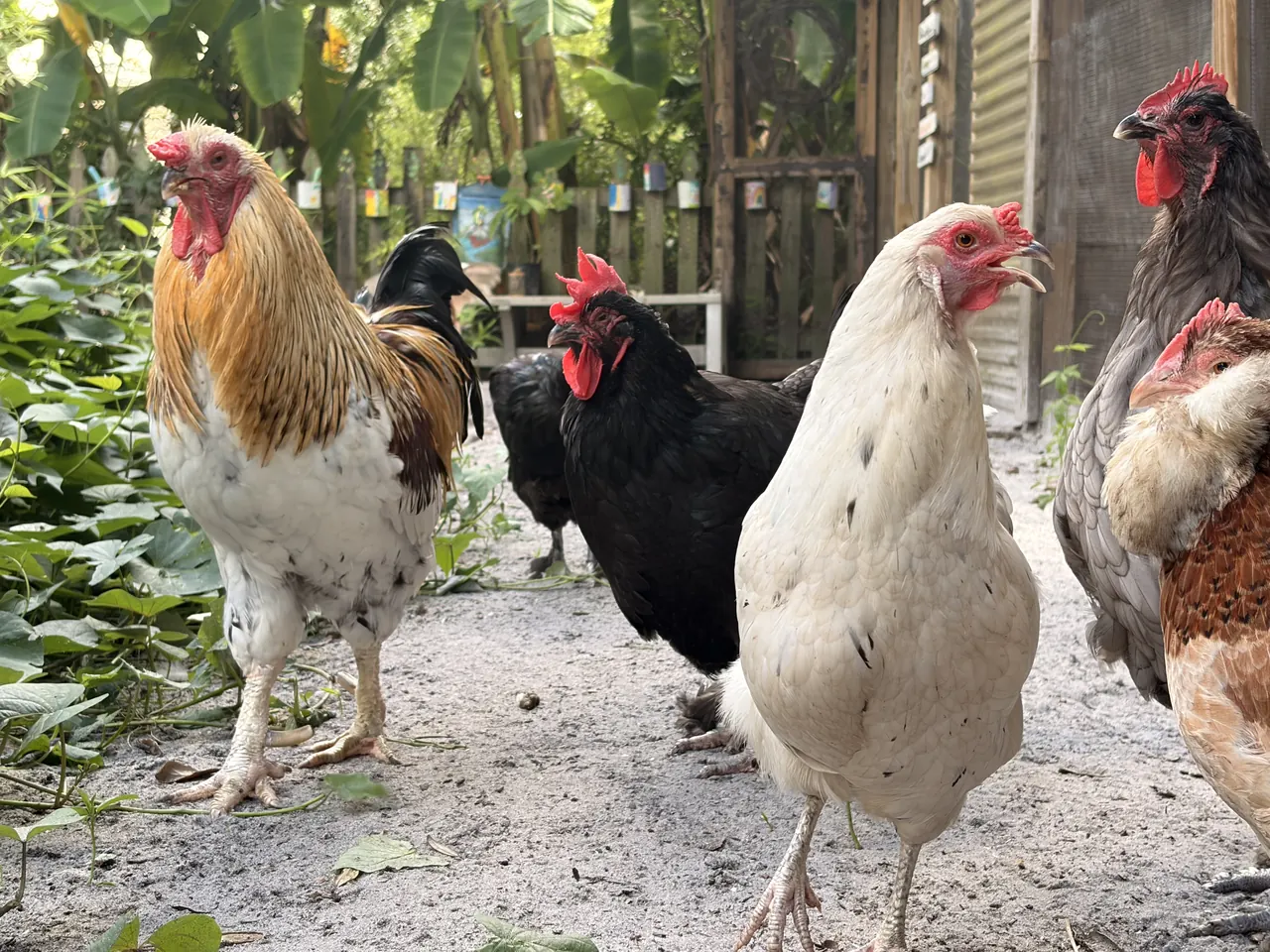
Chickens from our flock in front of the coop in the Hill of Happies

The Chicken Coop and the Hen House

Chickens

Our two flocks, many of them heritage breeds, give students their first taste of real responsibility, and fresh eggs every morning. First graders hatch chicks in class, and fourth graders raise them.

Say hello to Flitter · Blackbeak · Gremlin · Nugget · Popcorn · Peep · Pumpkin · Summer · Pip · Bom Bom · Ducky · Toto · June · Pixie · Cocoa

  • Fresh water and a full feeder
  • Grit and oyster shell topped up
  • Roosting bars cleaned
  • Eggs collected
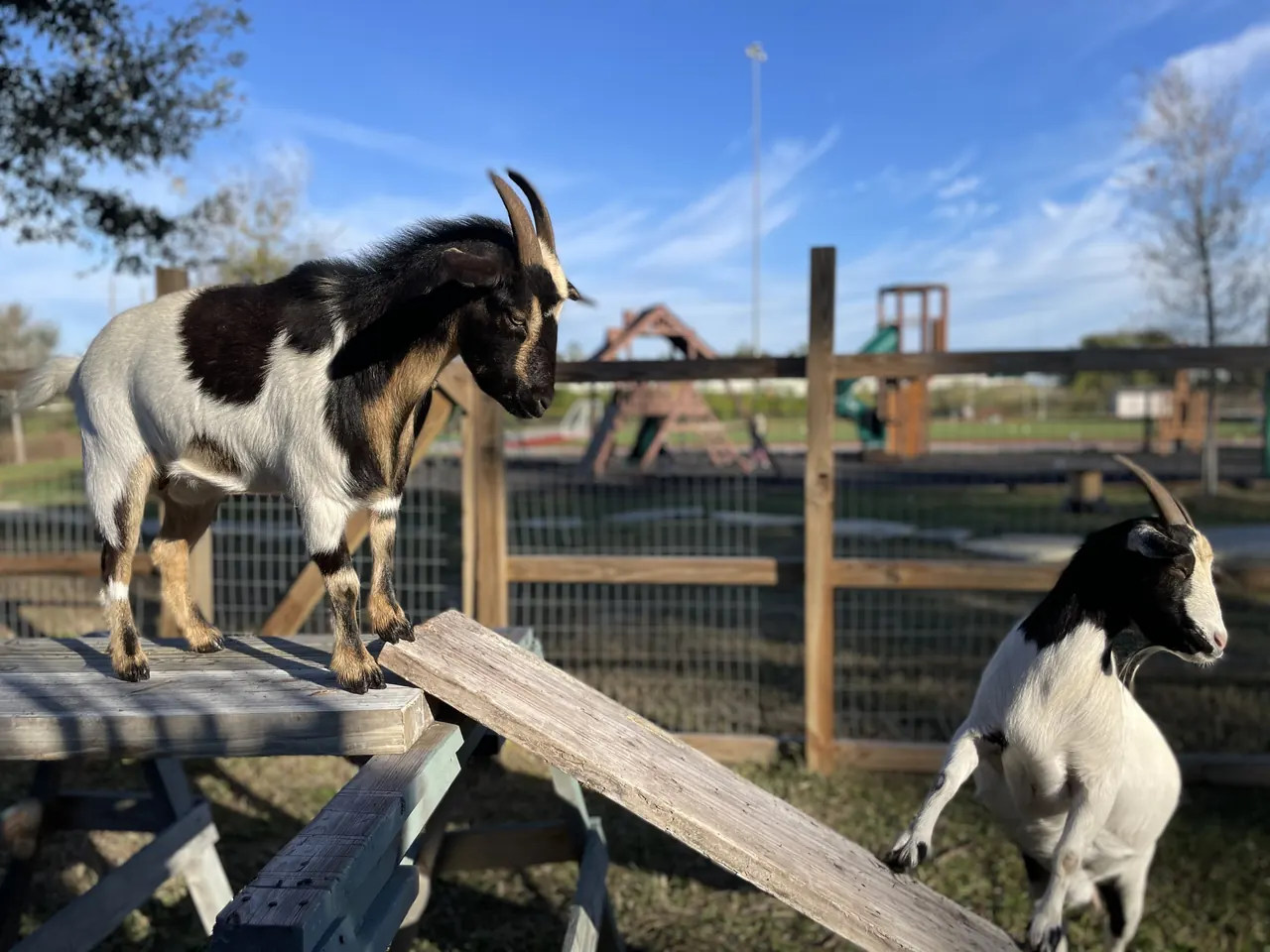
Sadie and Maisy, our Nigerian Dwarf goats, playing in the Goat Yard

The Goat Yard

Goats

Sadie and Maisy, our heritage Nigerian Dwarf goats, are the stars of the Goat Yard. Eighth graders study animal health and behaviour with them and work toward the 4-H Goat and Rabbit pin.

Say hello to Sadie · Maisy

  • Two pens cleaned in order
  • Measured feed and fresh hay
  • Climbing planks and tyres safety-checked
  • Waste raked to compost
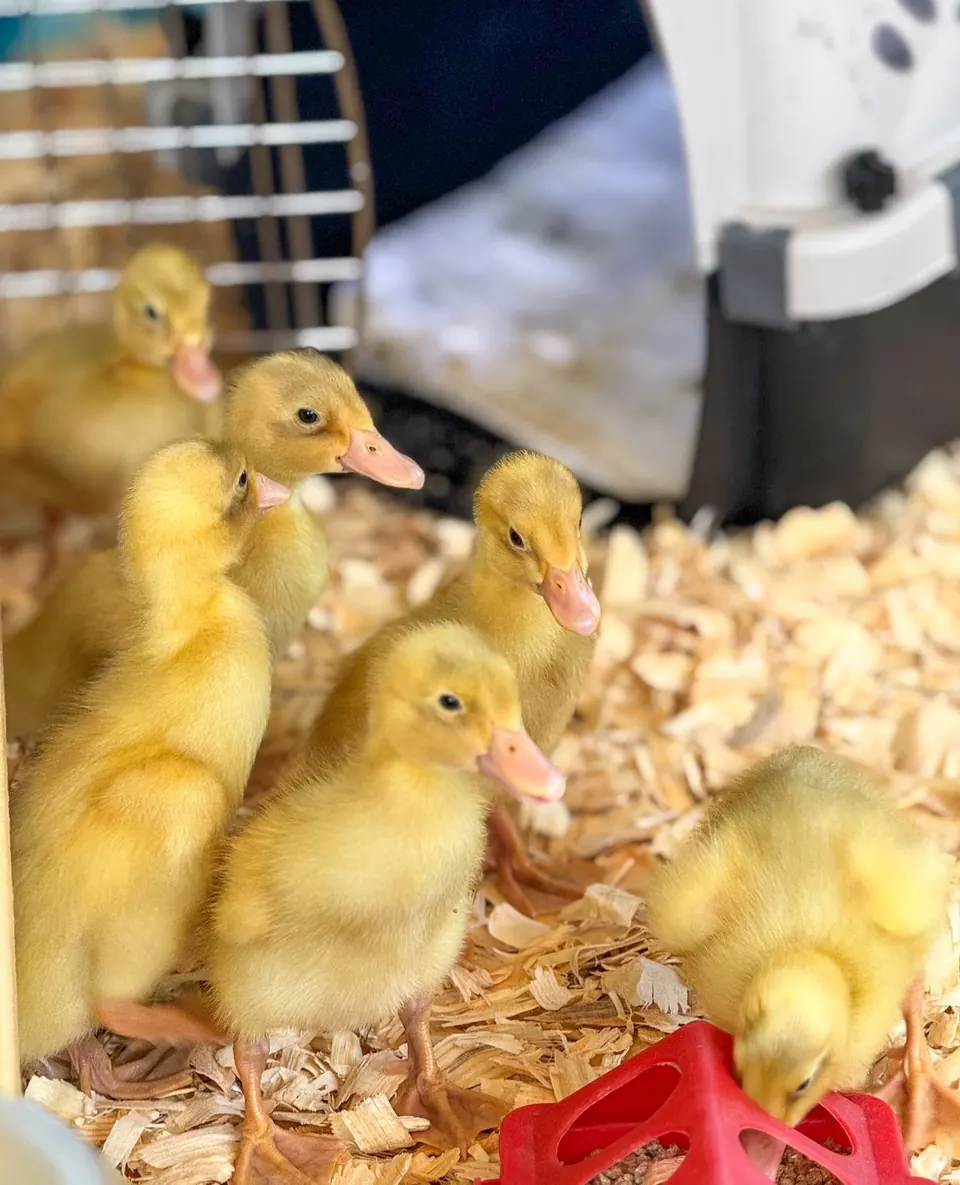
Ducklings raised by students in the 4-H program

The Duck House

Ducks

Our heritage Indian Runner ducks paddle, forage and lay alongside the gardens. Seventh graders raise Cayuga ducklings through duck embryology.

Say hello to Soda · Mango · Seymour · Moby · Percy · Lucky

  • Pools drained and rinsed
  • Fresh hay in the nesting box
  • Three water stations refilled
  • Eggs collected
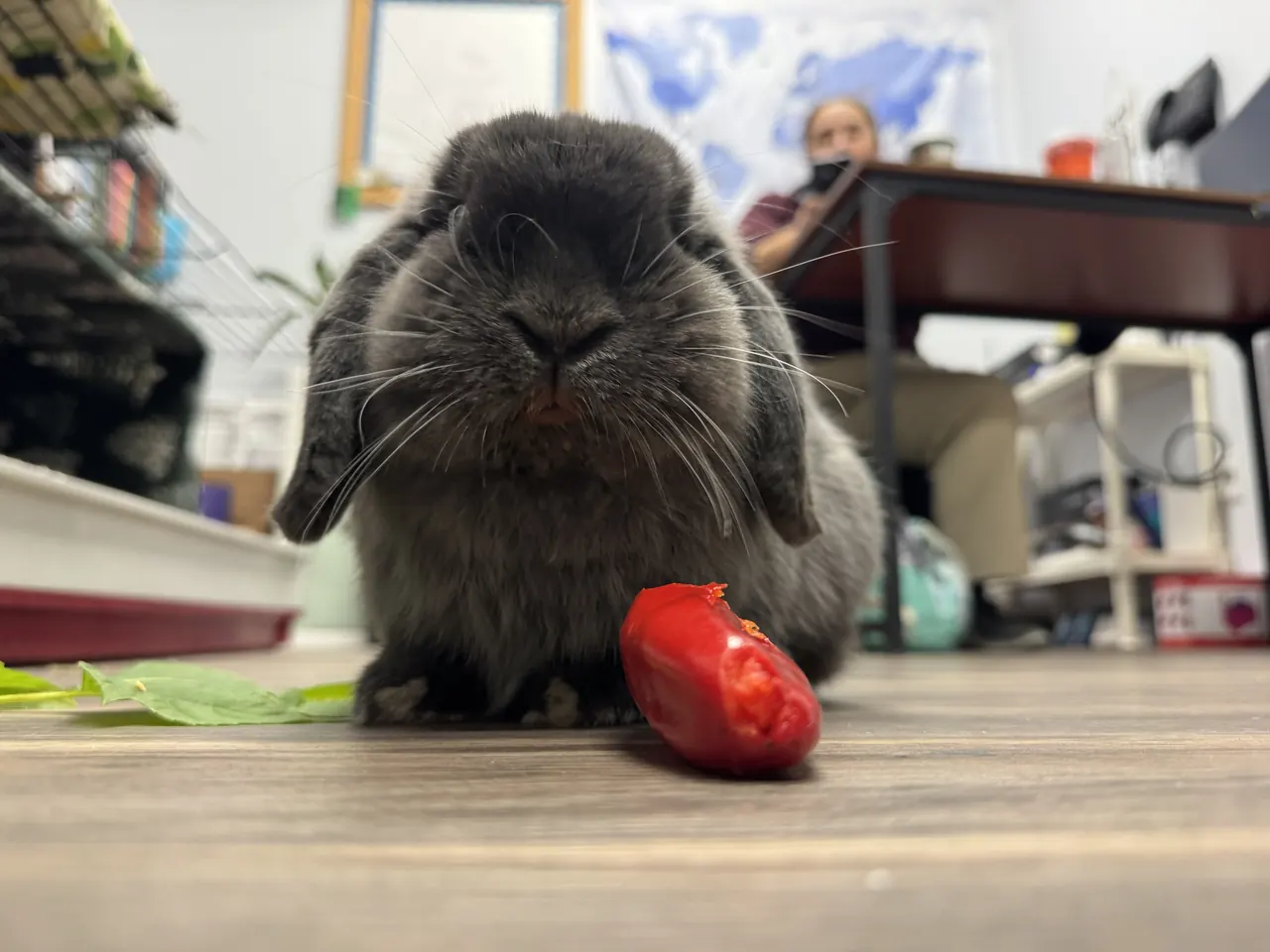
Theodore the rabbit nibbling a red pepper in a classroom

Classroom habitats

Rabbits

Classroom rabbits live with our fifth graders and an MYP House, where students learn pet care and management up close.

Say hello to Honeybucket · Theodore

  • Daily feeding and water
  • Habitat cleaning
  • Gentle handling once settled

Classroom habitat

Guinea pigs

Three guinea pigs share a fifth-grade classroom, a favourite stop on every younger student's animal tour.

Say hello to Zoey · Fawn · Periwinkle

  • Daily feeding and water
  • Habitat cleaning
  • Quiet, calm visits

Classroom habitats

Reptiles and more

Bearded dragons, leopard geckos, a uromastyx, a corn snake, a pinktoe tarantula and a Pacman frog bring adaptations and habitats to life in our classrooms.

Say hello to Nico · Starburst · Starfruit · Lilo · Archibald · Archie · Ophelia Blue · Sir Kiwi Hopscotch

  • Warm basking spots checked
  • Habitat humidity and cleaning
  • Feeding on schedule
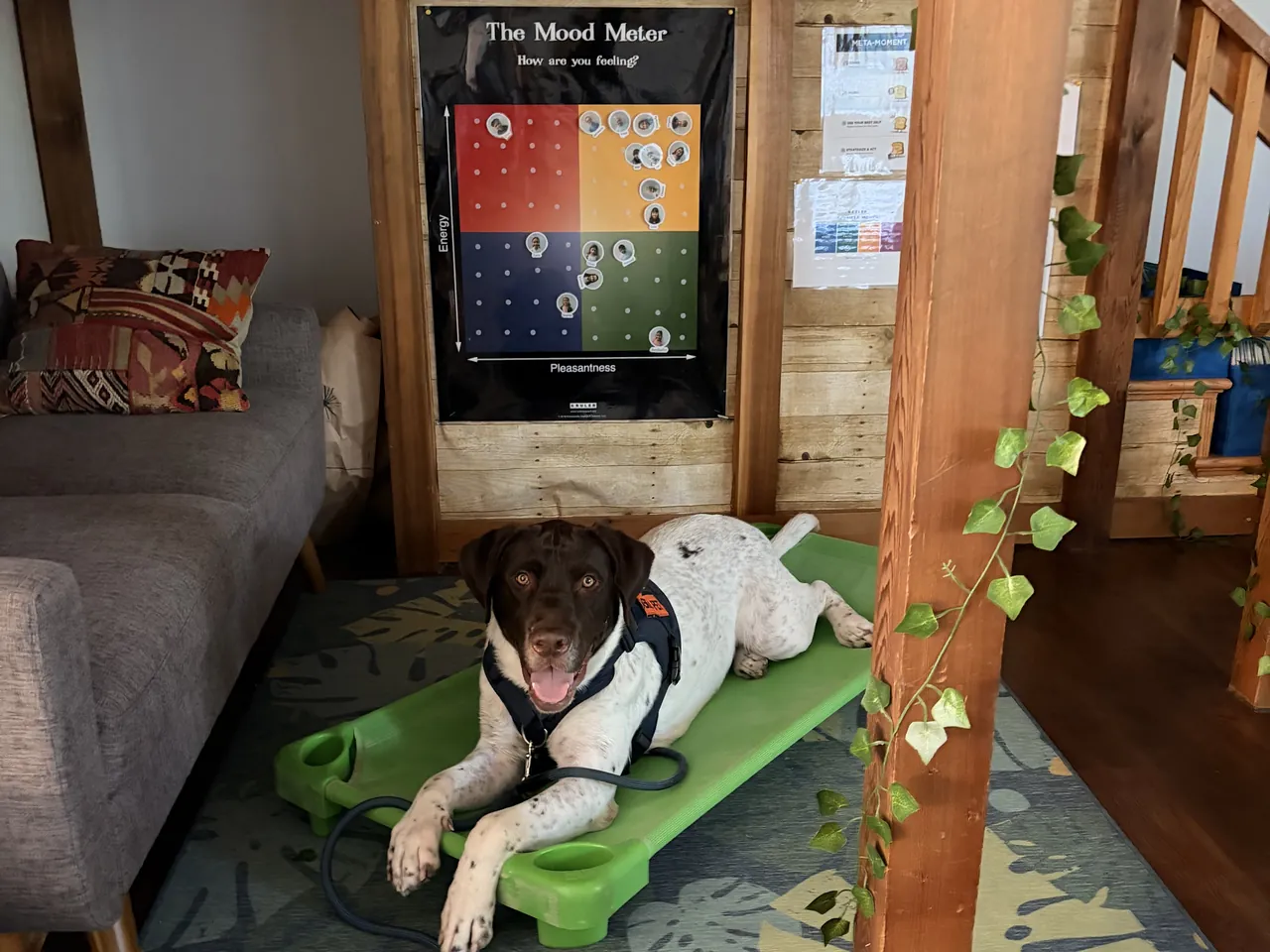
Jack Koa, our campus dog, wearing an In Training vest, resting on his cot beside the Mood Meter in a classroom calm corner

All around the village

Our campus dog

Meet the newest member of the village, a Chocolate Lab, German Shorthaired Pointer and Great Dane mix. Jack Koa is in training to be a calm companion for students and loves running, playing and a good belly rub.

Say hello to Jack Koa

Student roles

Teams of four, one job each

Middle and upper school students care for the animals in House stewardship teams. Each team member wears a colour and owns a job, then the whole team finishes and secures the area together. Younger students observe and help on tours.

  1. Red

    Water

    Cleans and refills every water container.

  2. Green

    Food and roosts

    Fills feeders, cleans roosting bars and food bowls.

  3. Blue

    Eggs and safety

    Collects eggs, tops up grit and checks the pen for hazards.

  4. Yellow

    Bedding and compost

    Spreads fresh bedding and moves waste to the compost.

For the first two weeks of each school year, staff care for classroom pets while the animals settle in, and students observe. Every class reviews our Animal and Garden Guidelines before it begins.

The Nature Progression

Nature from PreK3 to Grade 12

Each stage builds on the last, from greeting the goats to running the food forest.

PreK3 and PreK4

Nature Explore

Animals
Animal tours, meet and greet, feeding animals calmly
Gardens
Parker Butterfly Garden, Garden Tower, Keyhole Garden

Kindergarten to Grade 2

Nature Explore: Pets · Living Things · Birds and Bugs

Animals
Habitats and needs, chick embryology, comparing animals
Gardens
Greenhouse nursery, Fairy Garden, Monarch Waystation, hydroponics
4-H honors
4-H Cloverbud Certificate · Wildlife Gardener

Grades 3 to 5

Nature Explore: Food and Nutrition · Wildlife Ecology · Regenerative Food Systems

Animals
Nutrition and digestion, classification, baby chick care, rabbits and poultry
Gardens
Sun Dial Mandala Garden, The Quad food forest, Garden Encantado
4-H honors
4-H Juniors Award · Junior Master Gardener · 4-H Poultry pin

Grades 6 to 8

Eco Life studies

Animals
Hen house care, Cayuga duck embryology, goat health and behaviour
Gardens
Storm gardens, Vego Garden, composting, Market Days
4-H honors
Pathfinder Honors · 4-H Intermediate Award · Herpetology and Goat and Rabbit pins

Grades 9 to 12

Academy of Agricultural and Life Sciences

Animals
Enrichment, animal rotations and leading younger teams
Gardens
Hydroponics, the Creation Village Food Forest, the AdventHealth Freight Farm
4-H honors
4-H Senior Award · Permaculture Design · Hydroponics and Horticultural Technology certificates
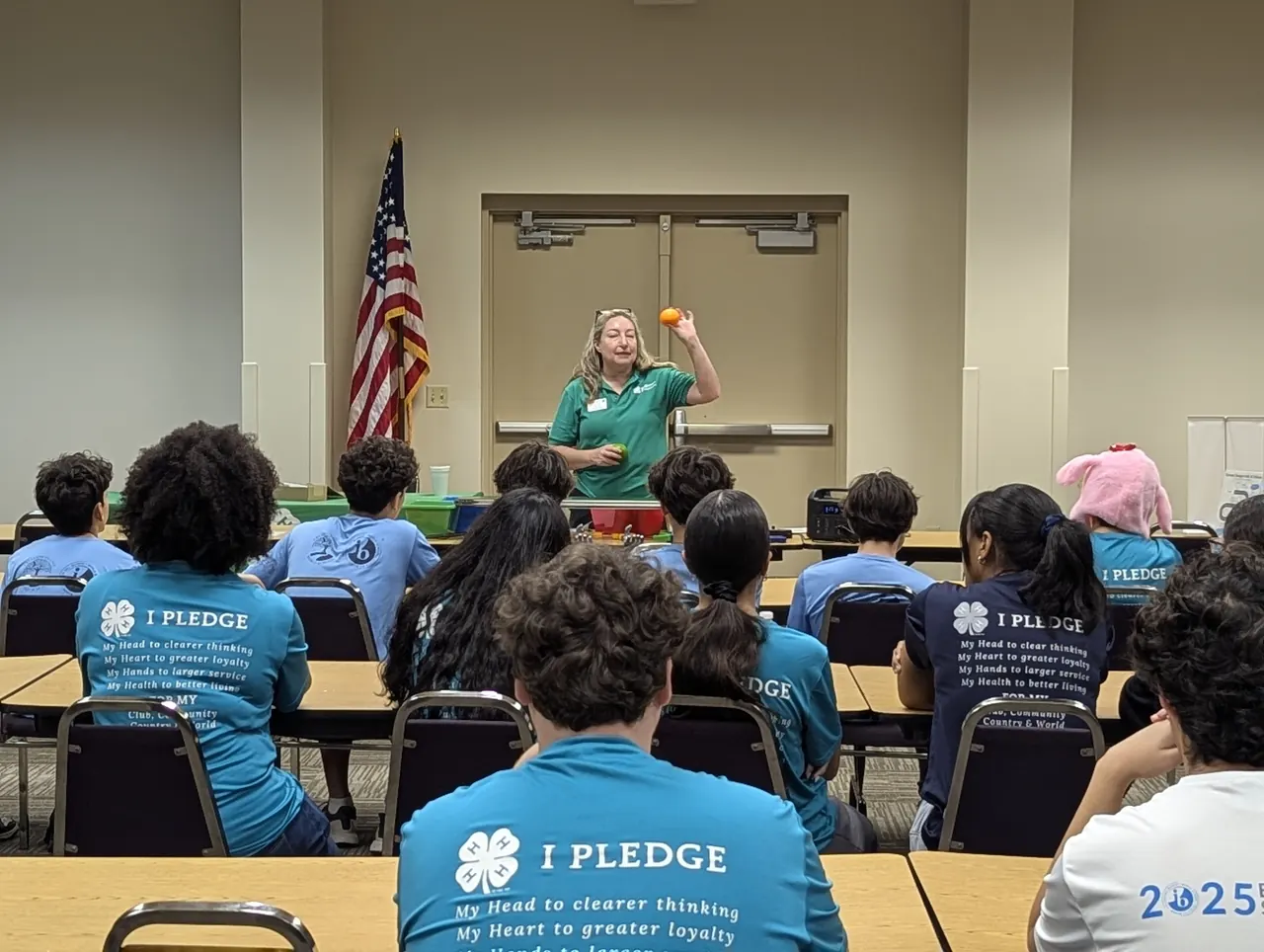
Students in 4-H pledge shirts at a 4-H meeting
4-H clover: Head, Heart, Hands, Health

4-H

Head, heart, hands and health

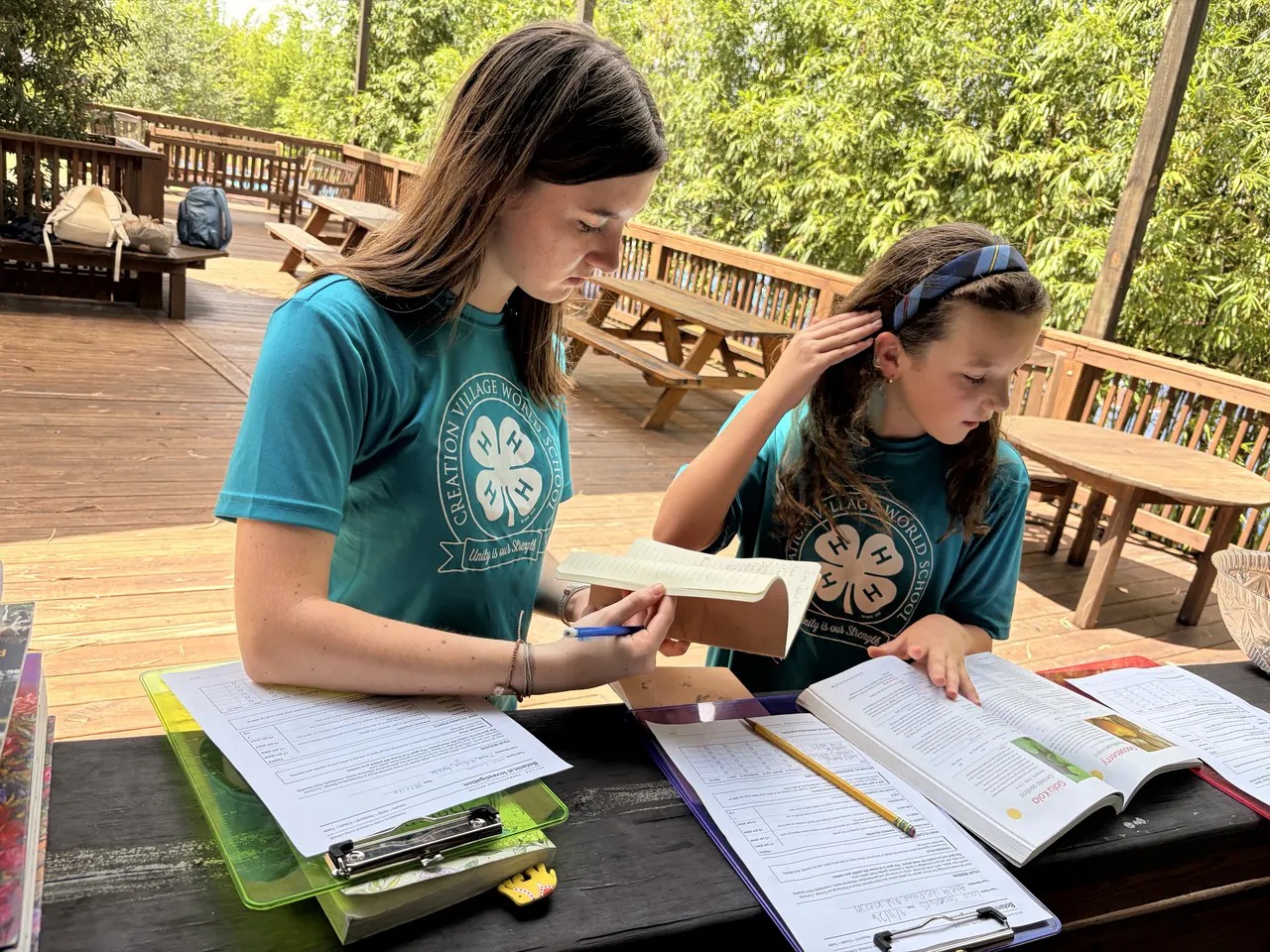
From Kindergarten up, Creation Village students are 4-H members through the UF/IFAS Osceola County Extension. Students earn 4-H project pins and awards each year and show their work at the Projects Exhibit, Fair Day and 4-H Honors.

Our five 4-H clubs: Garden and Environmental Science · Healthy Living · STEM and Design · Arts and Communications · Animal Science. Our clubs are led by Tami Solano.

Coming up in 4-H:

  • 4-H Projects Exhibit: January 29, 2027
  • 4-H Fair Day (K–12): February 19, 2027
  • 4-H Honors: April 26–27, 2027

Families complete the Florida 4-H enrollment form online each year.

A play-based childhood

Hands in the soil, not on a screen

The 4-H motto is “learn by doing,” and it is ours too. We believe children grow best through a play-based childhood, not a phone-based one. From PreK3 to Grade 8, personal phones, smartwatches and other devices are not used on campus during the school day, so recess, animal care, garden time and 4-H projects are spent outdoors and with friends.

In high school (Grades 9 to 12), students may bring a phone, but it stays switched off and in their backpack all day. A teacher may ask students to use one for a specific learning or health reason. That means the barn, the greenhouse and the Eco Life electives stay hands-on, and older students lead and mentor younger 4-H members in person.

Caring for a goat, a garden bed or a younger buddy builds the attention, patience and real friendships that a screen cannot. Healthy tech at home →

Eco Life · Grades 6 to 12

Eco Life electives

Every Friday, middle and upper school students choose an Eco Life elective: hands-on, real-world learning that often takes them outdoors and into the community.

  • Permaculture
  • Veterinary Science
  • Fishing and Conservation
  • Leadership and Wilderness Survival
  • Cooking and Nutrition
  • STEM and Robotics
  • Woodworking
  • Sewing
  • Painting and Pottery
  • Cultural Artisans
  • Musical Ensemble
  • Cinema, Literature and Arts
  • Model UN
  • Game Strategy (Chess)
  • Independent Study: Baking
  • Independent Study: Tech

Program partners

Learning with the experts

Our Eco Life electives and animal care connect students with organizations that work in veterinary science and conservation every day.

Veterinary Science

Texas A&M Veterinary Science Certificate Program

The Texas A&M Veterinary Science Certificate Program supports students interested in exploring veterinary science and animal-related careers. Through structured coursework and hands-on learning, students build foundational knowledge of animal anatomy, health, disease prevention, safe animal handling and veterinary care.

At Creation Village, this partnership enriches our Veterinary Science Eco Life course in middle and high school, connecting classroom science with real-world animal care and career opportunities.

Fishing and Conservation

Florida Fish and Wildlife Conservation Commission

The Florida Fish and Wildlife Conservation Commission (FWC) supports wildlife conservation, environmental stewardship and education throughout Florida, helping students understand Florida’s fish and wildlife, aquatic ecosystems, habitat conservation and responsible interactions with the natural world.

Our Fishing and Conservation Eco Life elective takes part in FWC’s educational programming, so students build skills, explore aquatic environments and learn the responsible use of natural resources.

Animal Stewardship

The Livestock Conservancy

The Livestock Conservancy is a nonprofit dedicated to protecting endangered heritage breeds of livestock and poultry from extinction, a mission that matches our commitment to animal welfare, biodiversity and responsible stewardship.

By giving heritage breeds a home on our campus, we help preserve these animals while students learn first-hand about breed diversity, animal care and why rare breeds matter for future generations.

Farms and field sites we learn with

Grade 2 visit · Grades 11 and 12

AdventHealth Freight Farm

A hydroponic farm where juniors and seniors grow fresh produce, and where our second graders first see how food can grow without soil.

Grades 9 and 10

Do Good Farm

A working farm where ninth and tenth graders get their hands dirty on a River Hawks in the Wild trip.

Grade 9

MarineLab, Key Largo

Ninth graders spend two days and two nights at MarineLab in the Florida Keys, snorkeling the reef and studying marine life with its educators.

Grade 12

ECHO Global Farm

Seniors visit ECHO’s demonstration farm to see the small-scale farming methods it teaches to communities around the world.

Permaculture

Earth care, people care, fair share

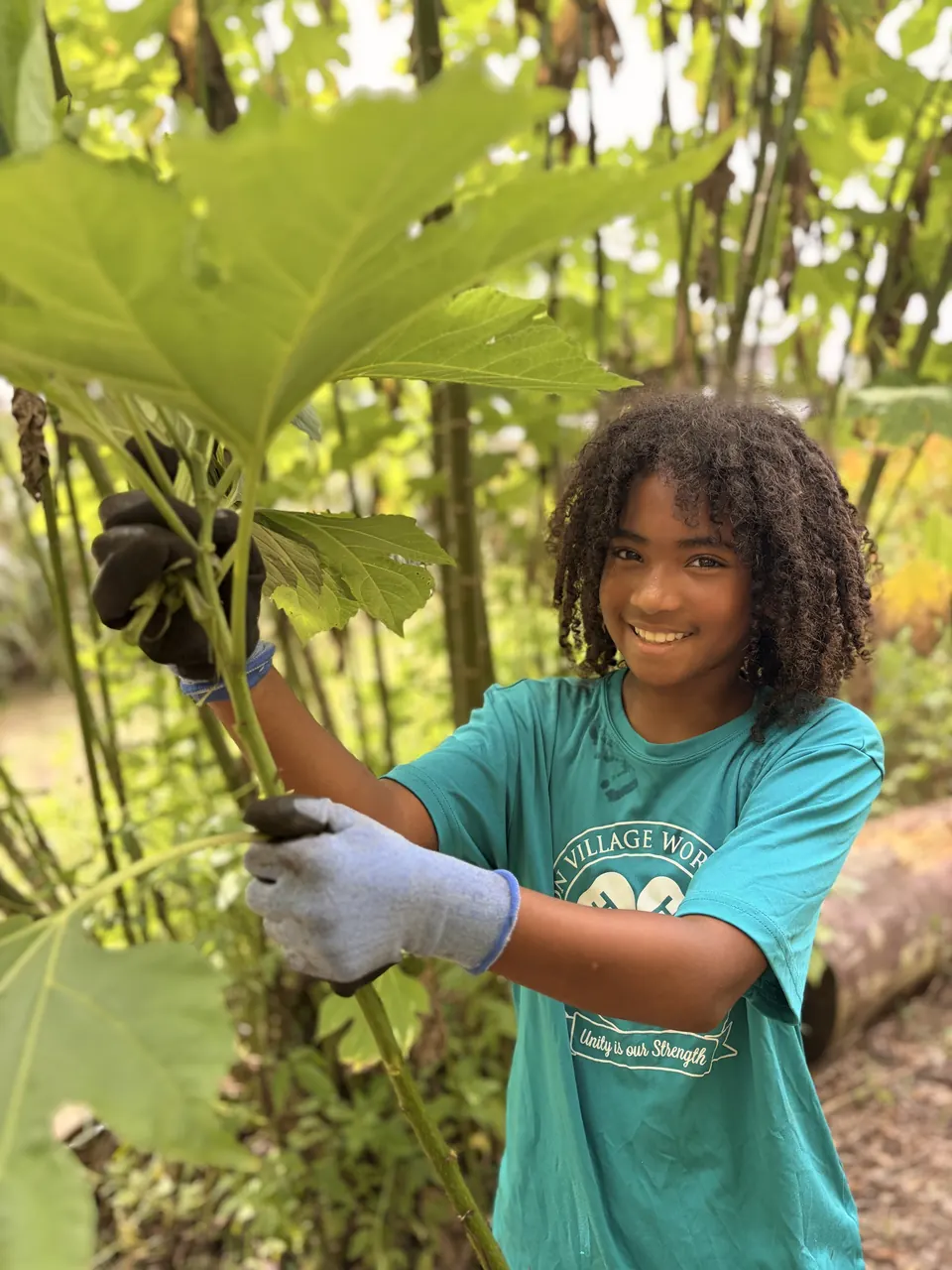
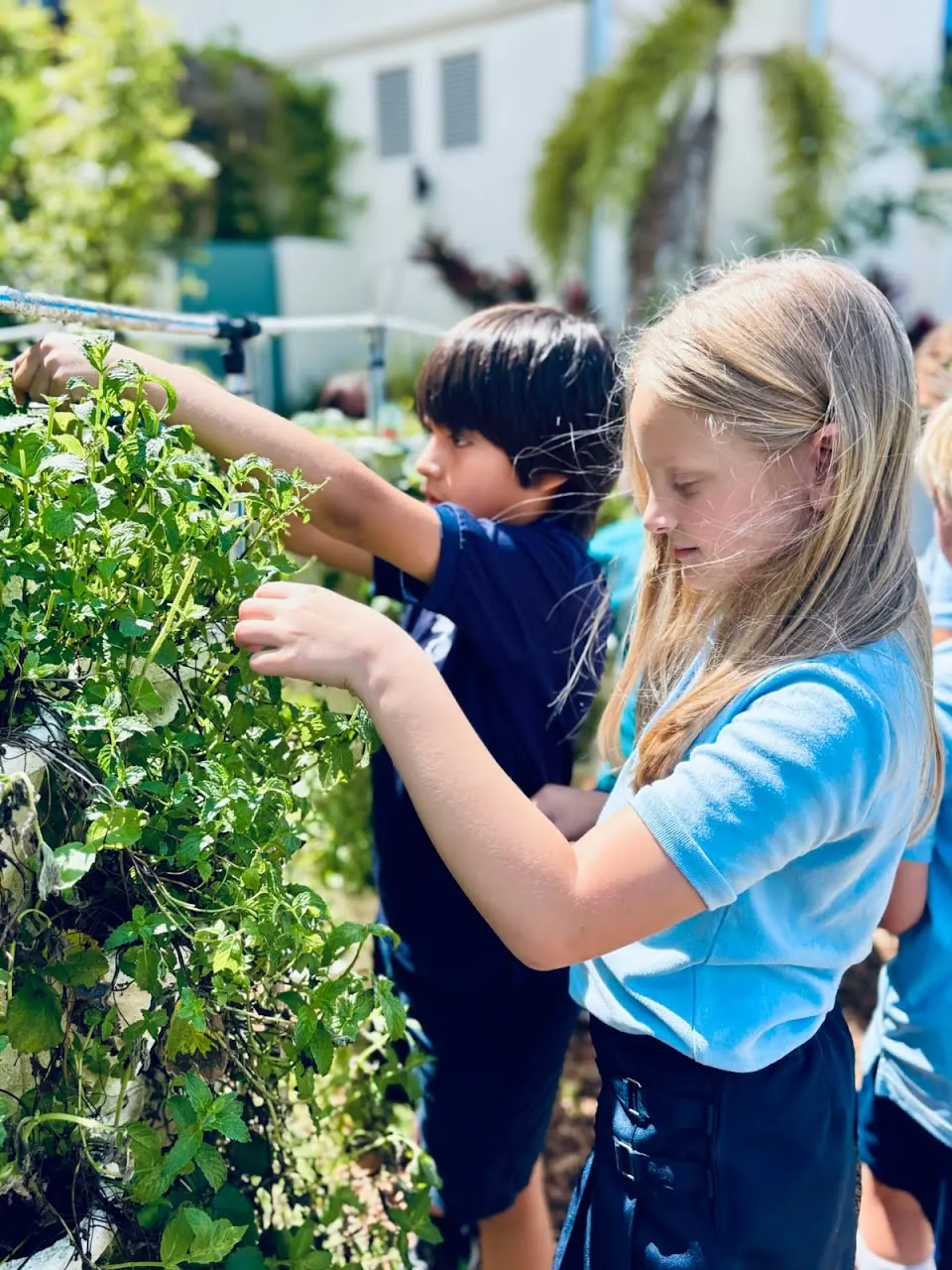
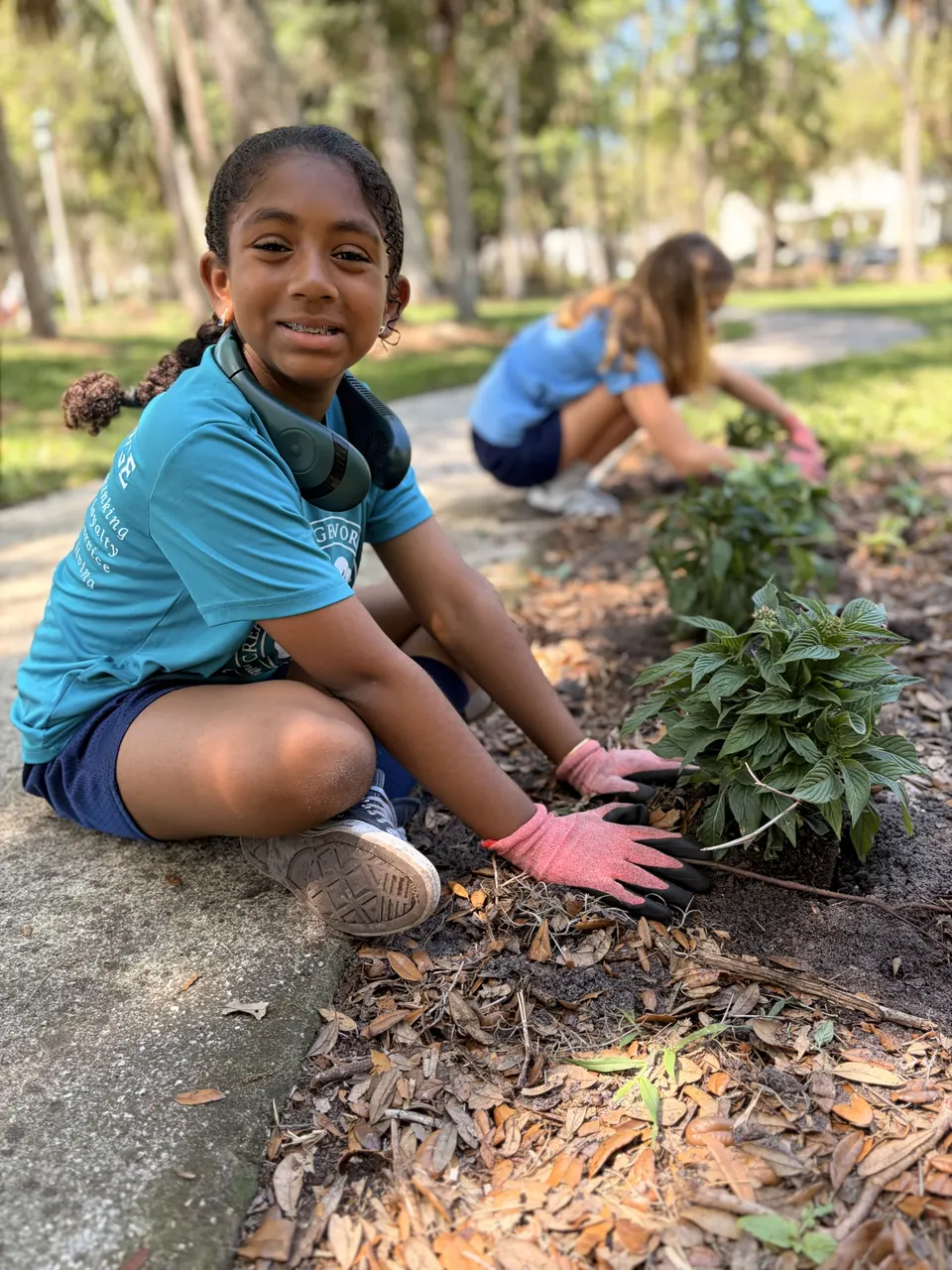
Students design, plant and harvest the campus gardens, then share the food at Market Days and with families in need.

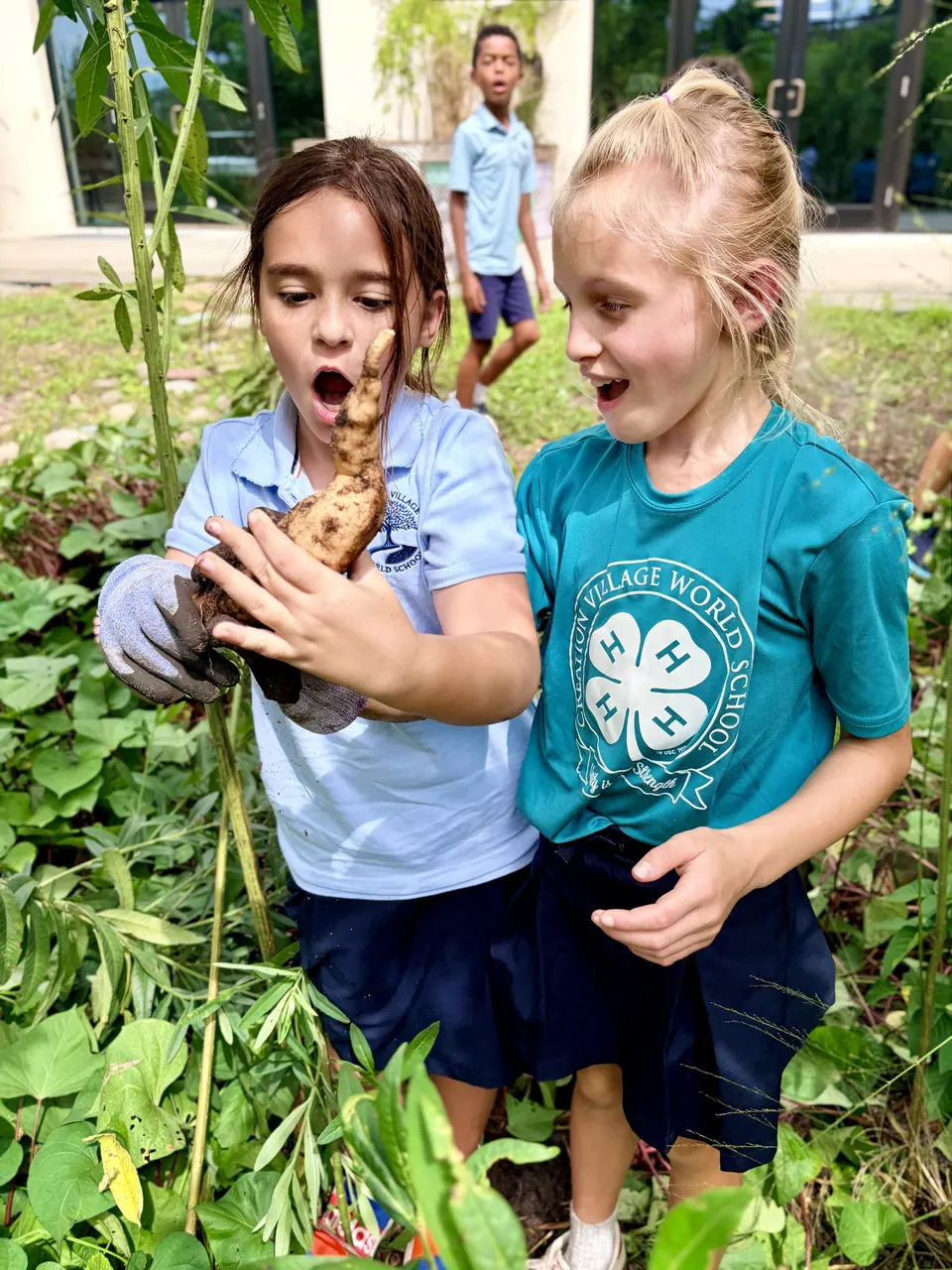
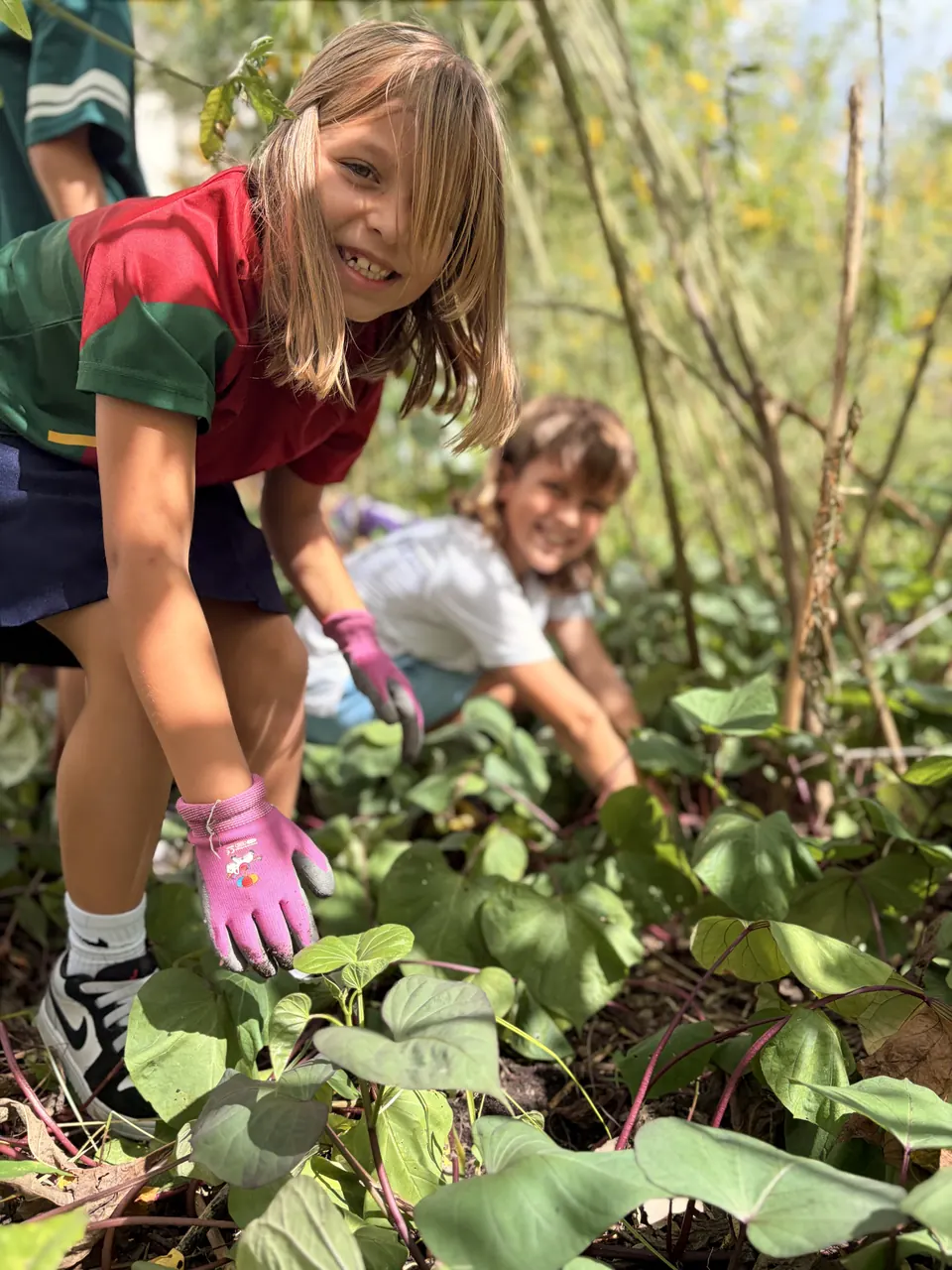
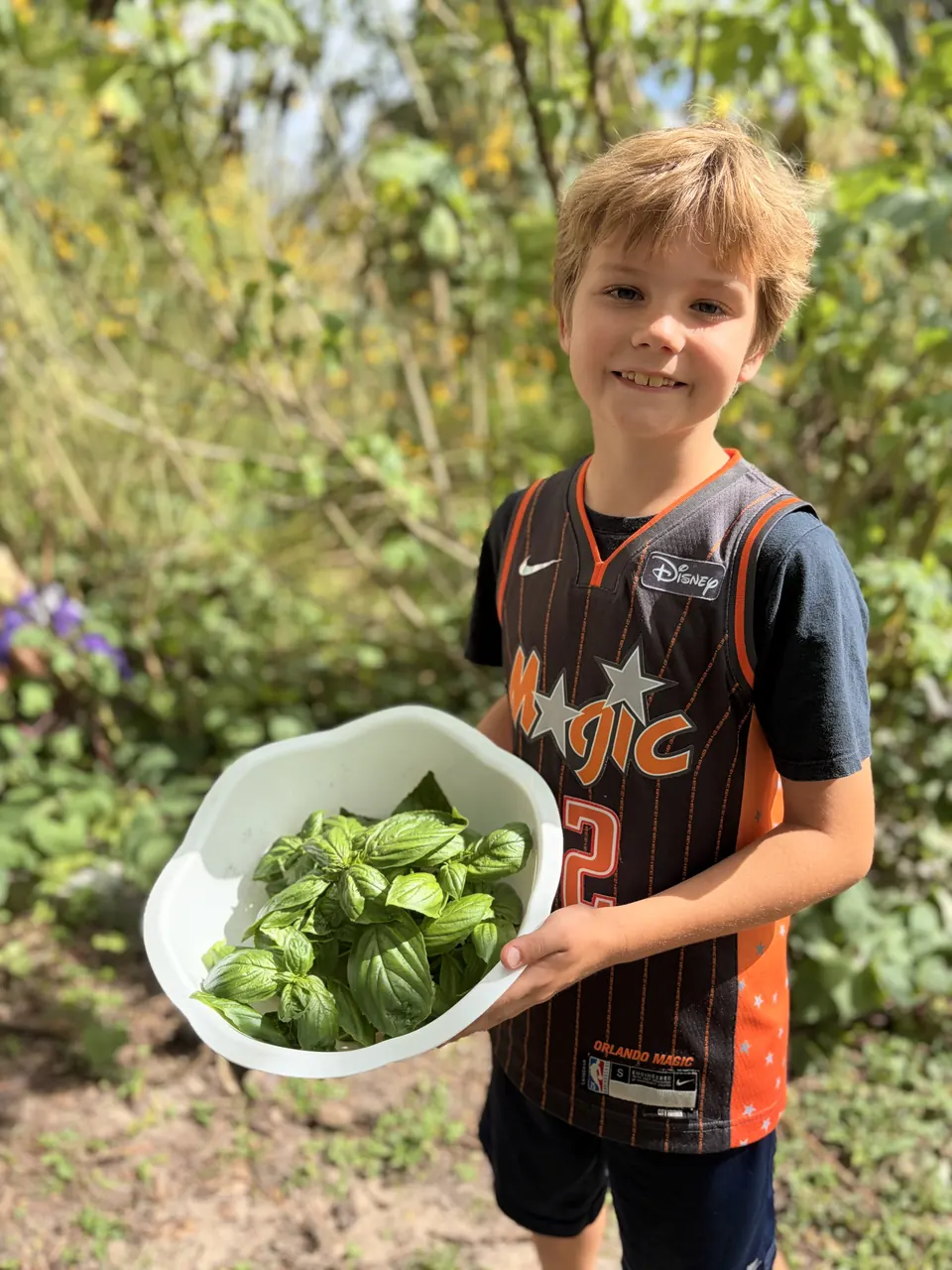
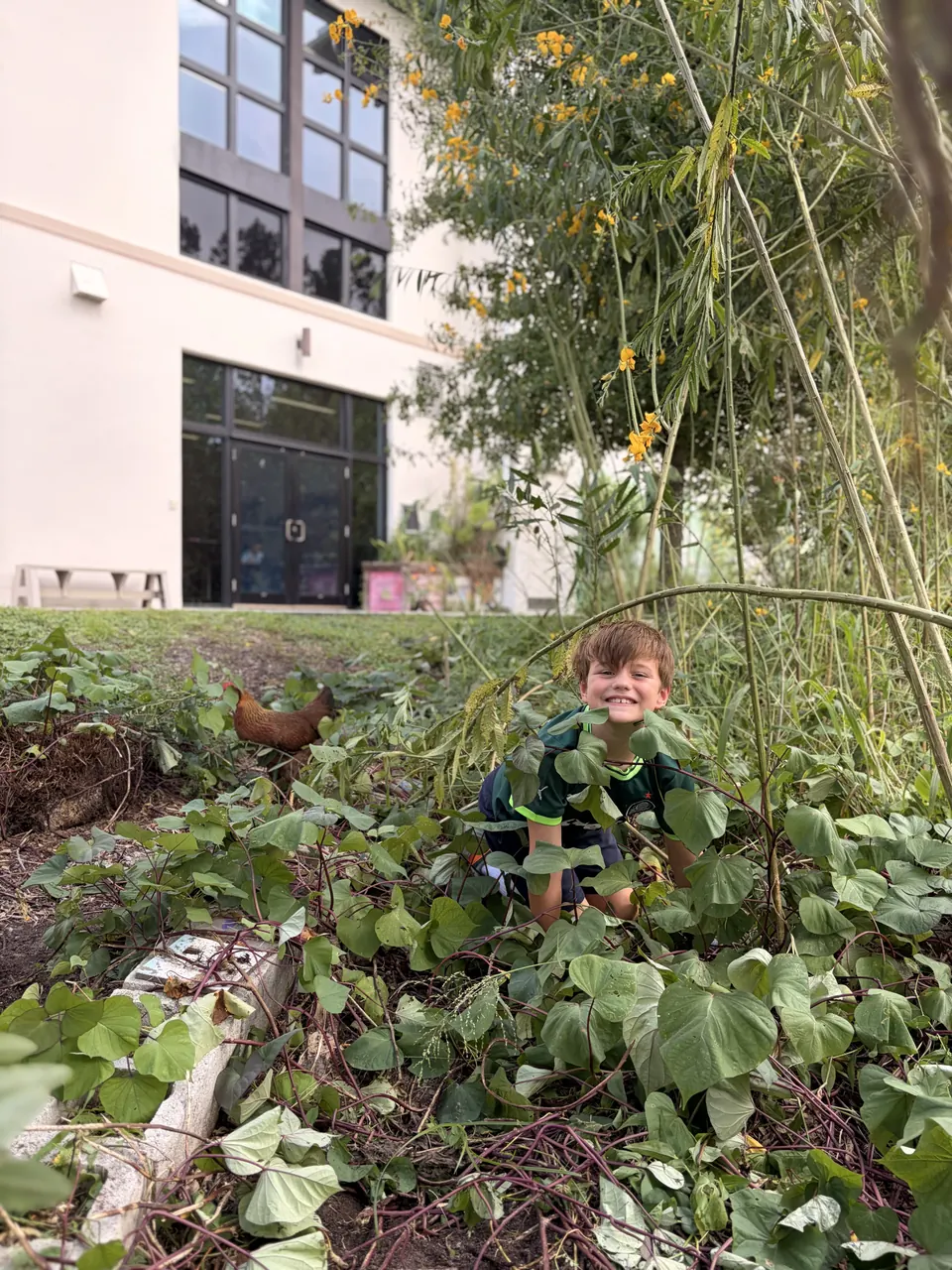
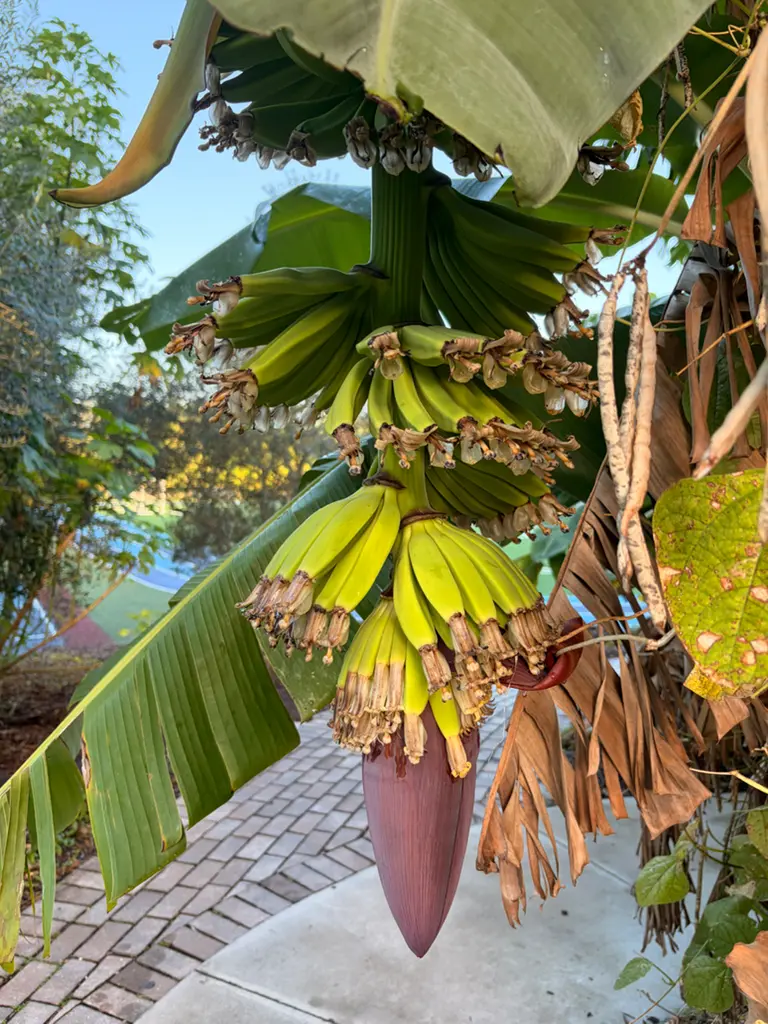
In Grade 3, students harvest basil, sweet potatoes and more for their End of Unit Celebration and Market, turning the harvest into pesto and other treats. Running the market brings supply, demand and resources to life, and shows God's abundance through sustainable agriculture. Even the walkways bear fruit: banana plants grow right alongside them.

  • Food forest
  • Pollinator corridors and a Monarch Waystation
  • Compost and soil lab
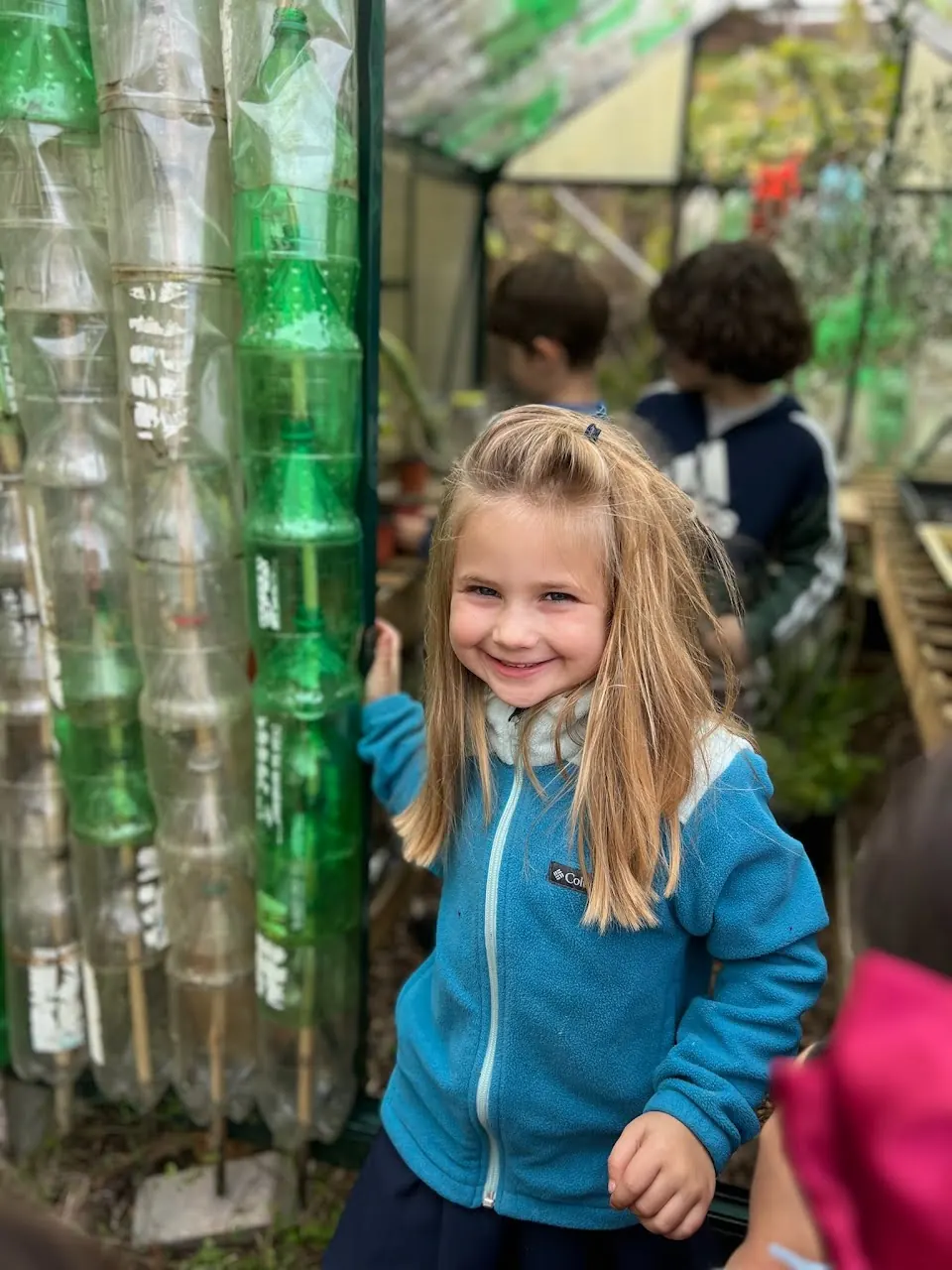
  • Greenhouse nursery and hydroponics
  • Rain and storm gardens
  • Outdoor classrooms at the Nature Center

River Hawks in the Wild

Learning beyond the fence

Field experiences at every stage take nature learning off campus.

  • Central Florida Zoo
  • EPCOT Flower and Garden Festival
  • Lake Louisa State Park
  • River Ranch and the Osceola swamp site
  • 4 Roots Farm
  • Camp Kulaqua
  • 4-H camp on Jekyll Island
  • MarineLab in the Florida Keys
  • Do Good Farm
  • ECHO Global Farm
Guy Harvey Conservation School: Inspiring the Future

Recognised for conservation

Creation Village is an Eco-Schools U.S. Bronze Award school and an official Guy Harvey Conservation School.

Nature and service grow together here: students grow food to share, restore habitats and care for creation as a way of loving their neighbours. See service learning →

Want to visit the animals? Book a tour or email info@creationvillage.com.

See it in action

Our admissions team responds within 24 hours, Monday to Friday.

IB Continuum School

IB ContinuumIB Primary Years ProgrammeIB Middle Years ProgrammeIB Career-related Programme

Fully accredited

Fully accredited by ACS WASCFlorida Council of Independent SchoolsChristian Schools International