Grades 6 to 8
The Middle Years Programme
Hands-on, inquiry-driven learning that builds independence, reflection and ownership, grounded in faith and global awareness.
The middle school experience
Inquiring, knowledgeable and caring
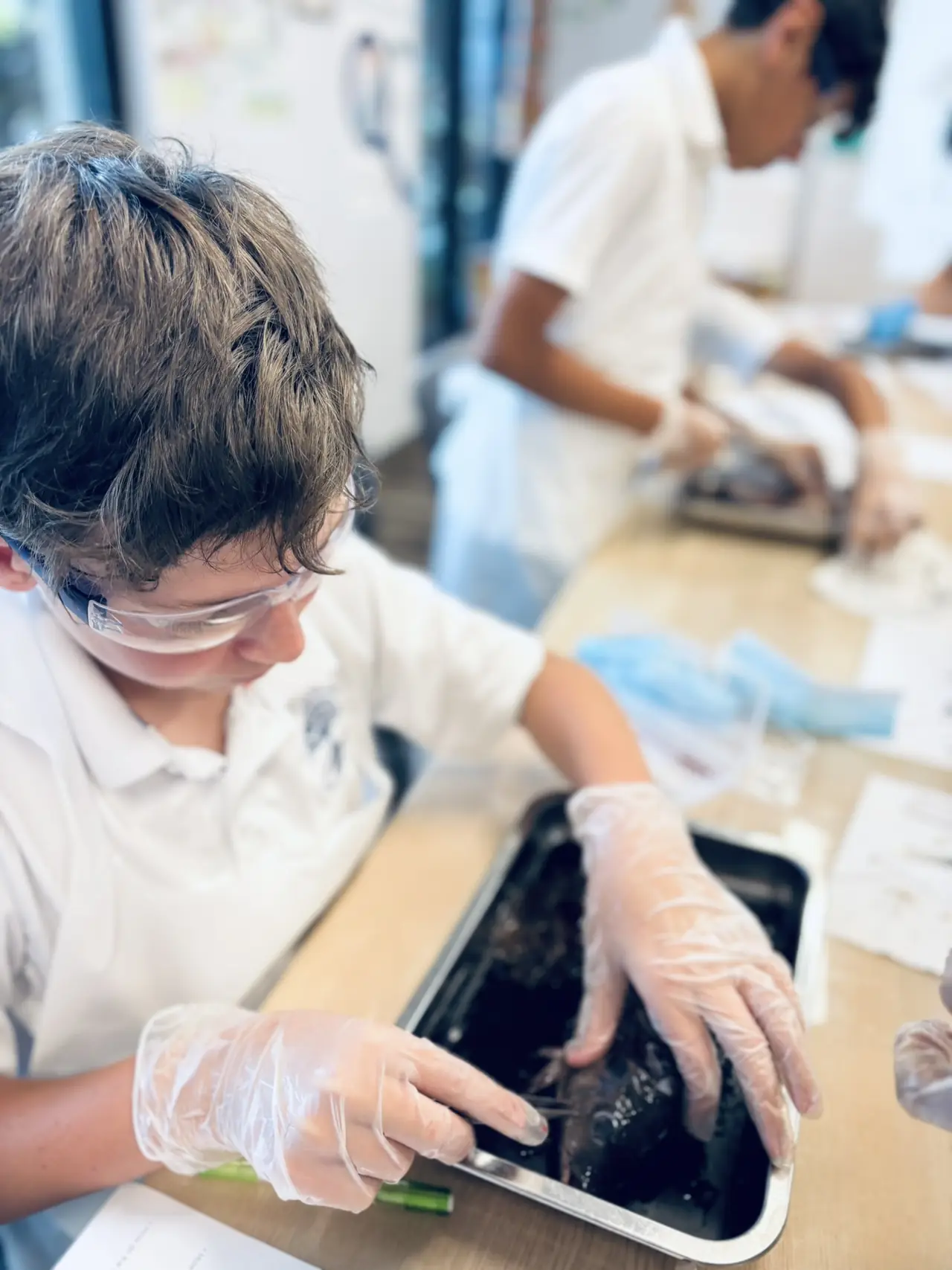
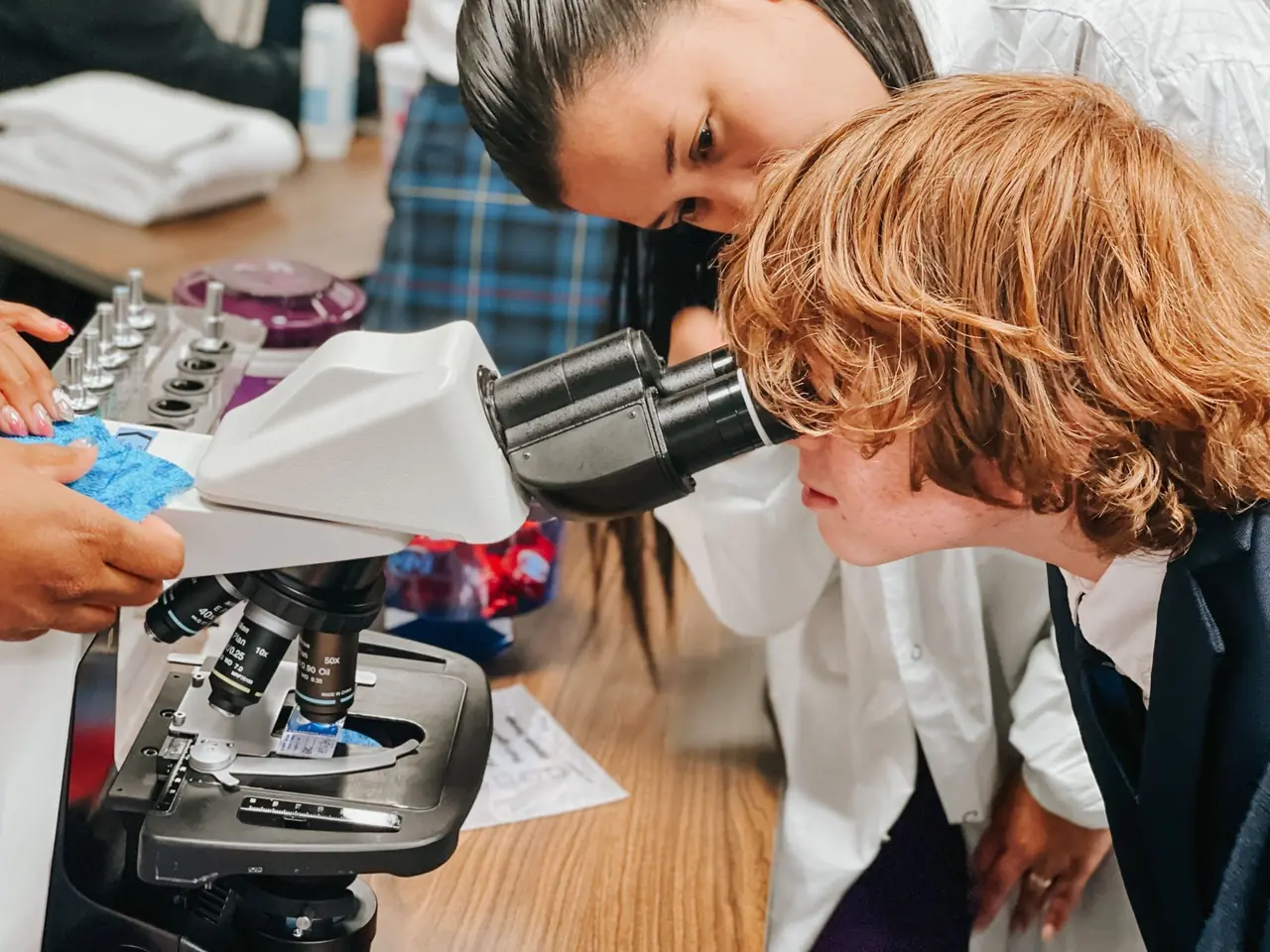
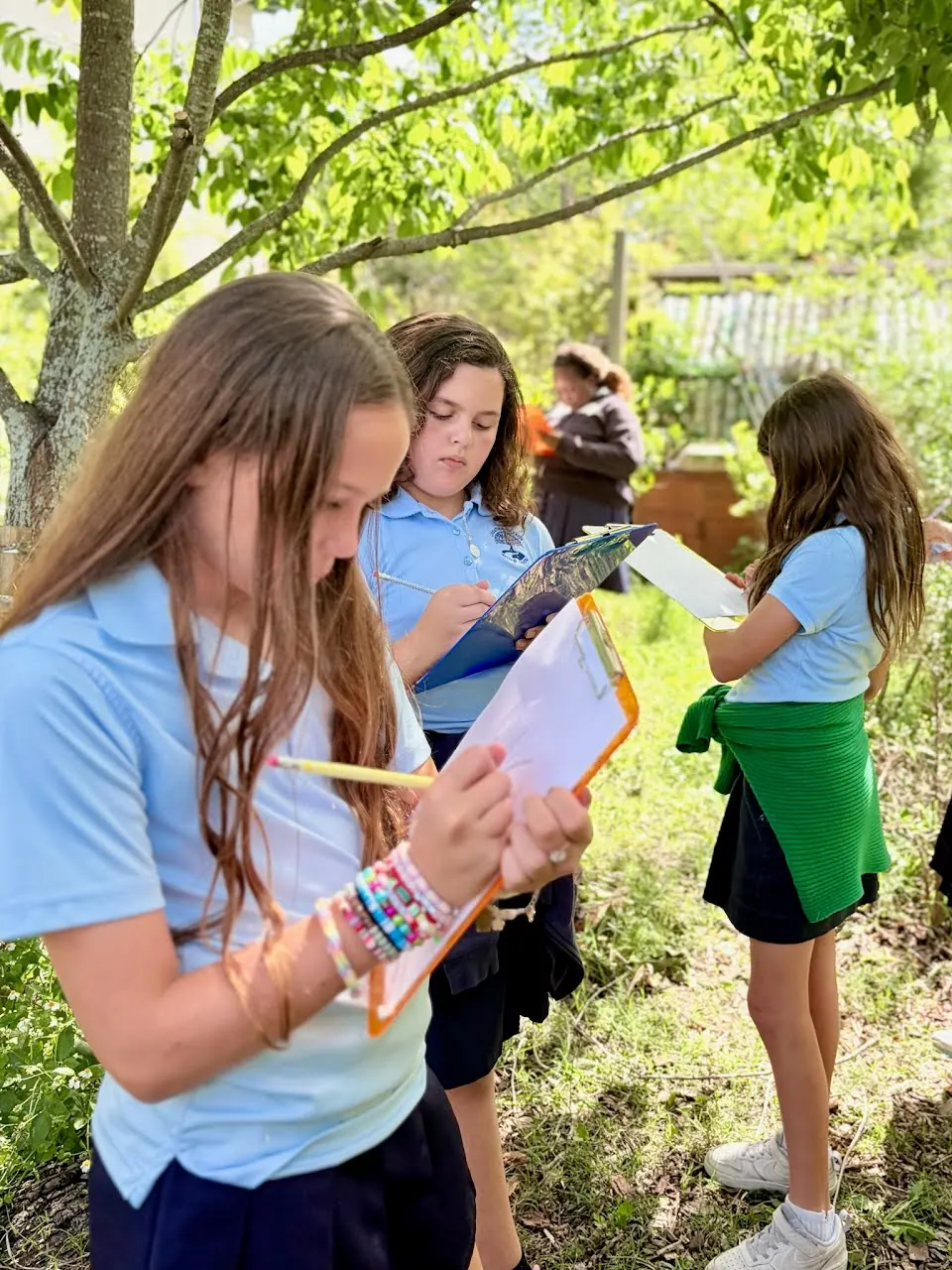
Teachers plan cross-curricular projects that connect faith, global awareness and real problem solving, guided by the IB approaches to learning and the learner profile.
The IB Middle Years Programme serves students aged 11 to 16. At Creation Village it runs from Grade 6 through Grade 10, continuing into the Upper School.
2026-27 at a glance · Grades 6 to 8
Traditions
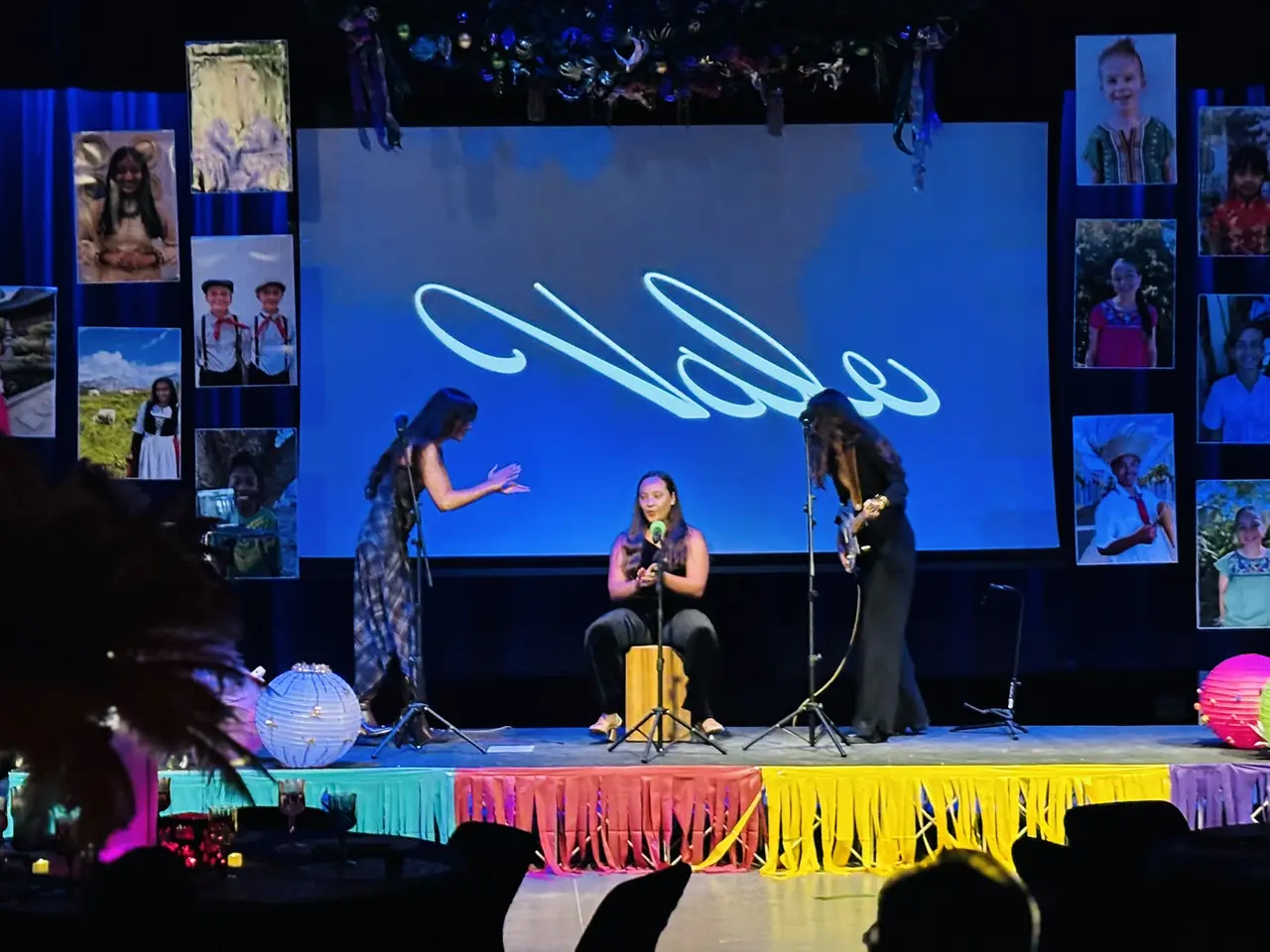
Special middle school traditions
Learning Buddies
Middle school students mentor younger students through collaboration and service, and every student belongs to a House.
Camp Jekyll 4-H
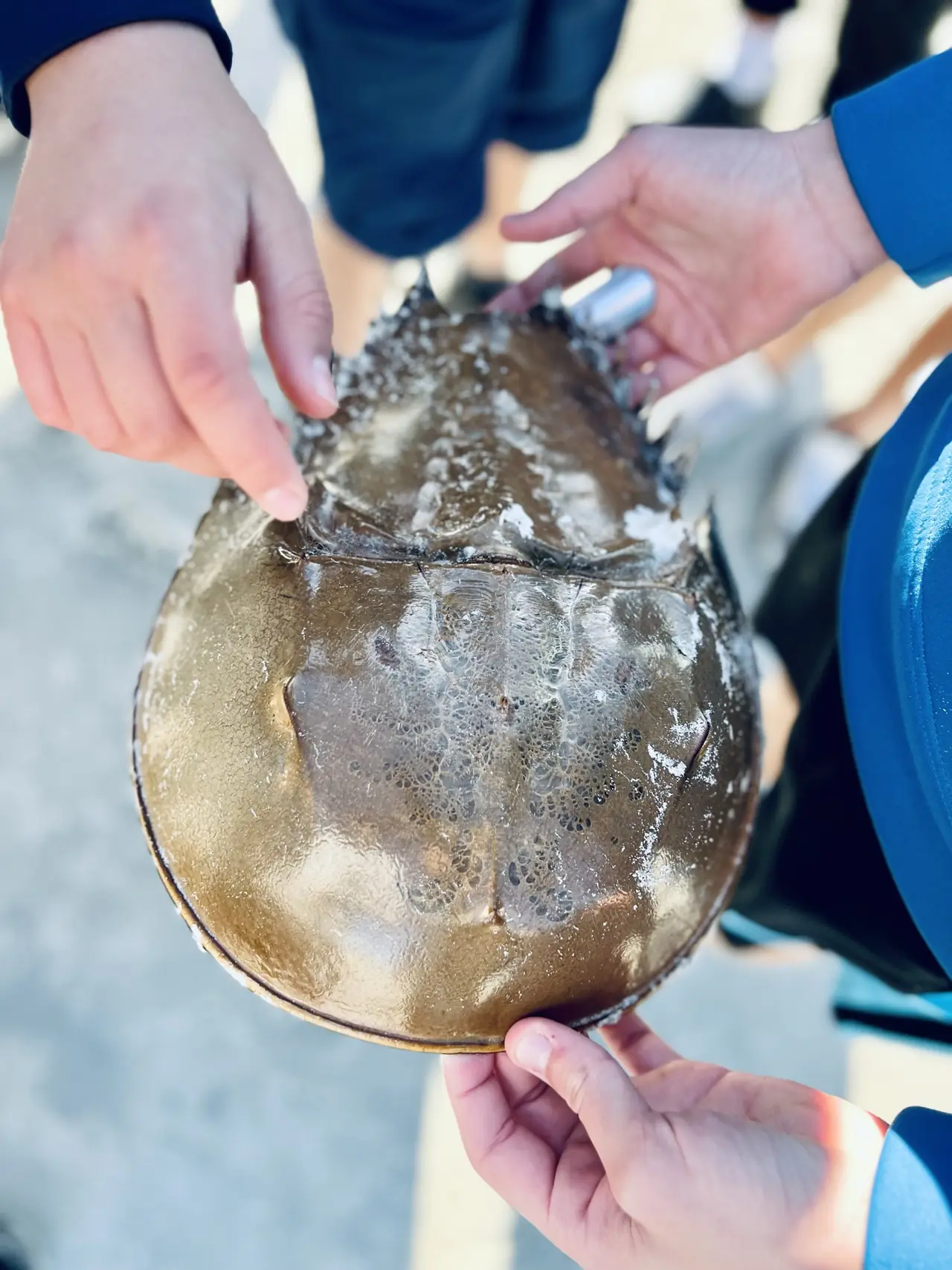
Grades 7 and 8 spend three days studying coastal ecology on Jekyll Island, Georgia.
Mission trips
With Thirst Missions, students and families serve alongside communities in need.
World Vision Ignite
Studies connect to real impact for children and communities in Kenya, through pen pals and service projects.
What students study
Eight subject groups
- Language and Literature
- Language Acquisition
- Individuals and Societies
- Sciences
- Mathematics
- Arts
- Physical and Health Education
- Design
Learning in context
Six global contexts
- Identities and relationships
- Orientation in space and time
- Personal and cultural expression
- Scientific and technical innovation
- Globalization and sustainability
- Fairness and development
Projects and assessment
Learning that leads to action
Students carry out community and service projects, interdisciplinary investigations and design challenges, and finish the programme with an independent Personal Project.
Assessment is criterion-referenced: each student is measured against clear IB criteria, not against classmates. Digital portfolios and reflective journals show growth across design, science, service and the arts, and MAP Growth testing benchmarks reading and maths.
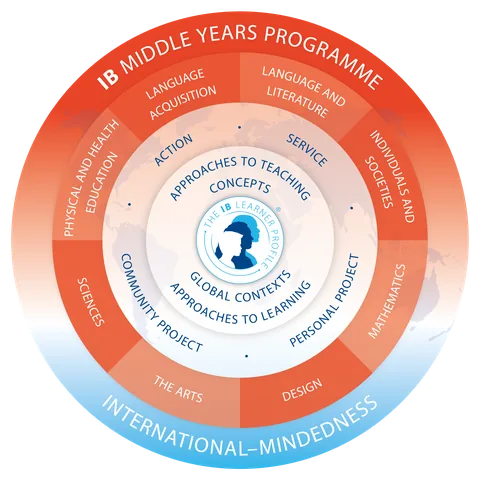

The MYP at a glance
Eight subject groups taught through concepts and global contexts, with approaches to learning, service as action and the Personal Project tying them together.
Creation Village is authorized by the International Baccalaureate to teach the MYP.
From the IB
Resources for families
Guides from the International Baccalaureate. Each opens as a PDF.
The Middle Years Programme
The IB's brochure on the MYP framework for students aged 11 to 16.
MYP: questions parents ask
A two-page guide for families new to the Middle Years Programme.
MYP research: key findings
What independent studies say about MYP students and teachers.
MYP and global competence
How MYP students compare on the PISA global competence framework.
What is an IB education?
The IB's own introduction to its mission, learner profile and approach to teaching and learning.
Grades 6 to 10
Questions about the Middle Years
Why IB?
The IB aims to develop inquiring, knowledgeable and caring young people. Learning is built on inquiry and real-world contexts, focused on understanding big ideas rather than memorizing, and assessed against clear criteria so children know what excellent work looks like. It is recognized by universities worldwide, and the IB learner profile (caring, principled, reflective and more) fits naturally with a Christ-centered education. More at creationvillage.com/why-ib.
How big are classes?
Small, so every child is known. This year: about 20 students in each Primary Years class (two classes per grade, with a 9:1 student-teacher ratio), about 15 in Middle Years (6:1), and about 9 in the Upper School (5:1).
How does grading work?
Teachers mark work against clear IB criteria for each subject, so students and families can see exactly what was done well and what to work on next. In Grades 6 to 12, each course gets a final grade on the IB 1 to 7 scale, which becomes a letter grade and grade points on the transcript (with weighting for IB, Honors and dual enrollment courses). Students also take MAP Growth tests each fall and spring so you can see progress over time.
What is your phone policy?
From PreK3 to Grade 8, personal phones, smartwatches and other devices are not used on campus during the school day. In Grades 9 to 12, students may bring a phone, but it stays switched off in their backpack all day. Students in Grades 6 to 12 bring a laptop every day.
Do you offer sports and extracurriculars?
Yes. River Hawks athletics run from K to 2 intramurals to varsity teams in volleyball, basketball, soccer, flag football, golf, cross country and track, competing in the CFAA and CFCAA, plus cheer. Students also join clubs, theater productions, the arts, House competitions and service projects.
What field trips do students take?
Learning goes out into the world. Day trips (covered by the activity fee) include St. Augustine, Kennedy Space Center and walking trips into Celebration. Overnight trips grow with each grade: an on-campus overnight in Grade 2, Fort Wilderness in Grade 3, Anastasia State Park in Grade 4, Camp Kulaqua in Grade 5, then HEART Village, Camp Jekyll 4-H, Washington, D.C., MarineLab in Key Largo and Camp Wahsega 4-H in middle and high school. Overnight trips are billed separately, and families sign permission forms in the Village Hub.
See the Middle Years in action
Visit a Middle Years classroom and meet the team.